Heart Attack Emergency First Aid: What to Do in the Golden Hour
- Home
- Blog
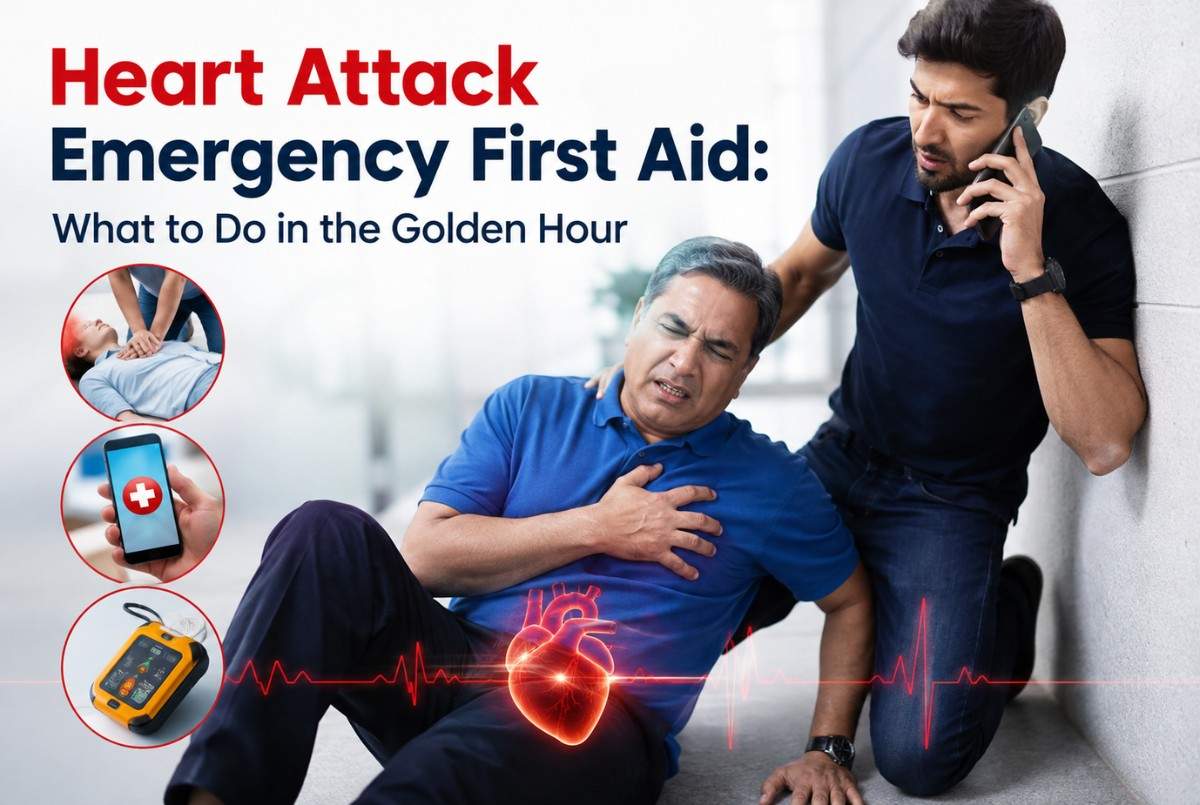
It was past 11 pm in a village near Madhupur when Sunil’s uncle clutched his chest and went pale. No ambulance was in sight, the nearest big hospital felt impossibly far, and the family had maybe an hour to make the right decisions. This is exactly the situation where heart attack first aid knowledge — simple, practical steps anyone can follow — makes the difference between a frightening night and a tragedy.
Understanding the Golden Hour in Heart Attack
The golden hour in heart attack refers to roughly the first 60 minutes after symptoms begin. During this window, the blocked artery is starving part of the heart muscle of oxygen — and the sooner blood flow is restored, the less permanent damage occurs. This isn’t about panic; it’s about knowing that speed matters more than almost anything else once symptoms start.
Symptoms, Causes, and Risk Factors
Common warning signs include:
- Chest pain, pressure, or a squeezing sensation that lasts more than a few minutes
- Pain radiating to the left arm, jaw, neck, or back
- Sudden breathlessness, cold sweat, or nausea
- Lightheadedness or a sense of impending doom
- In some cases — especially in women and diabetics — milder or atypical symptoms like fatigue or indigestion-like discomfort
Risk factors common in this region include uncontrolled diabetes, hypertension, tobacco use, and diets high in salt and oil, often compounded by physically demanding daily work that masks early fatigue as “just tiredness.”
Why This Matters in Santhal Pargana
For families in Dumka, Giridih, Godda, Jamtara, and surrounding villages, the historical reality has been that serious cardiac emergencies meant a long, uncertain drive toward Ranchi, Patna, or beyond — precious time lost on the road when first aid for heart attack at home should have already begun. That old pattern is what makes local awareness so important: what you do in the first few minutes, before any ambulance arrives, genuinely counts.
Emergency Heart Attack Treatment at Medifort, Deoghar
Medifort Wellness Super Specialty Hospital in Jasidih, Deoghar — part of the Medifort Wellness Group based in Bhagalpur, Bihar — maintains 24/7 emergency cardiac care backed by an in-house Cath Lab and a dedicated cardiology team. This means emergency medical care for heart attack Deoghar residents need doesn’t require a multi-hour transfer; initial stabilisation, diagnosis, and — if required — intervention can often happen without leaving the district.
What to Do in the First Few Minutes
If you suspect someone is having a heart attack:
- Call for emergency help immediately — this comes before everything else.
- Help them sit down in a calm, upright position, ideally with their back supported.
- Loosen tight clothing around the neck and chest.
- If conscious and not allergic, a chewable aspirin may be given while waiting for help — but this should never delay the call for emergency services.
- Stay with them, speak calmly, and monitor their breathing and responsiveness.
- If they become unresponsive and stop breathing normally, begin CPR if you’re trained, and continue until help arrives.
Knowing how to save a heart attack patient in those first minutes isn’t about being a doctor — it’s about staying calm enough to act.
Myths vs Facts
Myth: If the pain isn’t severe, it’s probably not a heart attack. Fact: Heart attacks can present with mild, vague symptoms — especially in diabetics and women — so any persistent chest discomfort deserves attention.
Myth: You should let the patient walk it off or rest it out at home overnight. Fact: Time lost is heart muscle lost. Waiting to “see if it passes” is one of the most common and costly delays.
Myth: Driving the patient yourself is faster than calling an ambulance. Fact: Trained paramedics can begin monitoring and treatment on the way, and are prepared if the patient’s condition suddenly worsens — something a family member driving alone cannot safely manage.
A Family's Experience
A man in his early 50s from near Jamtara began sweating heavily and complaining of chest tightness while working in his field. His son, having once seen a poster on heart attack first aid at a local health camp, called for emergency help immediately, sat his father down, and kept him calm while waiting. By the time they reached the hospital, the early call and calm handling had already worked in his favour — a reminder that the first few minutes are often shaped by ordinary people, not medical professionals.
Warning Signs You Should Not Ignore
- Chest pain or pressure lasting more than a few minutes, especially with exertion
- Pain spreading to the arm, jaw, neck, or back
- Sudden breathlessness, cold sweat, or nausea without clear cause
- Fainting, near-fainting, or a racing/irregular heartbeat with discomfort
- Unusual fatigue or indigestion-like symptoms in someone with diabetes or heart disease history
Always consult a qualified and experienced medical professional for accurate diagnosis and appropriate treatment. This article is for informational purposes only.
If Every Minute Counts, So Does Knowing Where to Go
A heart attack doesn’t wait for convenient timing, and neither should the response to it. If you or a loved one experience symptoms, call emergency services right away — Medifort Wellness Super Specialty Hospital in Jasidih, Deoghar, is equipped with 24/7 emergency cardiac care to respond when it matters most. For non-urgent concerns or follow-up, the OPD is also there to help you plan ahead rather than wait for a crisis.
Frequently Asked Questions
Heart attack first aid refers to the immediate steps taken before medical help arrives — keeping the person calm, seated, and safe. It's called the golden hour because the first 60 minutes after symptoms start are when treatment can do the most to limit lasting damage to the heart muscle.
Help the person sit down in a comfortable, upright position, loosen any tight clothing, and call emergency services immediately. If they're conscious, not allergic to aspirin, and one is available, a chewable aspirin may be given. Stay with them and monitor their breathing until help arrives.
Medifort Wellness Super Specialty Hospital in Jasidih, Deoghar, provides 24/7 emergency cardiac care with an in-house Cath Lab, meaning patients from Dumka, Giridih, Godda, and nearby areas don't need to travel to Ranchi or Patna for urgent cardiac treatment.
If the person becomes unresponsive and isn't breathing normally, call emergency services immediately and begin CPR if you're trained to do so. Continue until medical help arrives or the person shows signs of recovery. Untrained bystanders can still follow instructions given by emergency operators over the phone.
It's generally safer to call an ambulance, since trained paramedics can begin treatment en route and are prepared for a sudden change in the patient's condition, which can be dangerous if you're driving alone.
The emergency team will do an ECG and initial assessment right away, decide if immediate intervention like angioplasty is needed, and stabilise the patient before further tests or admission.
Share It:
-

Is Heart Stent Surgery Safe? Myths and Success Rates Explained
-
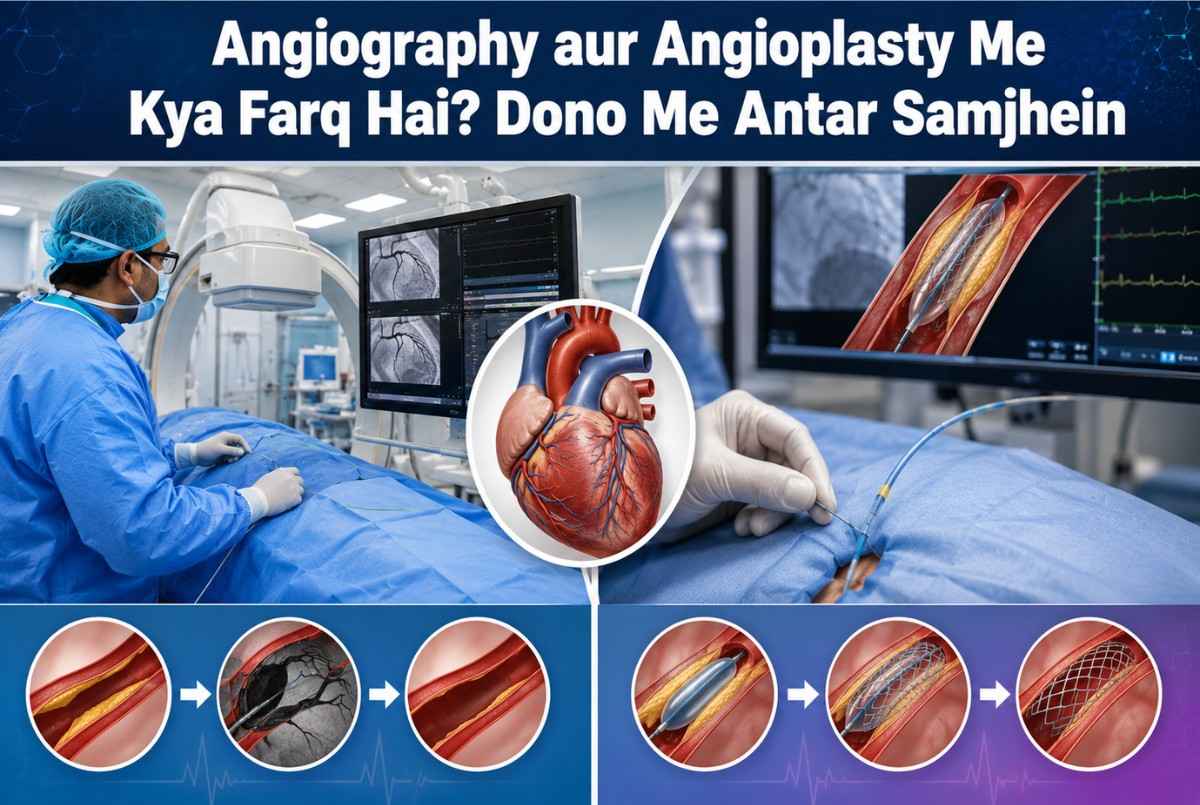
Angiography aur Angioplasty Me Kya Farq Hai? Dono Me Antar Samjhein
-
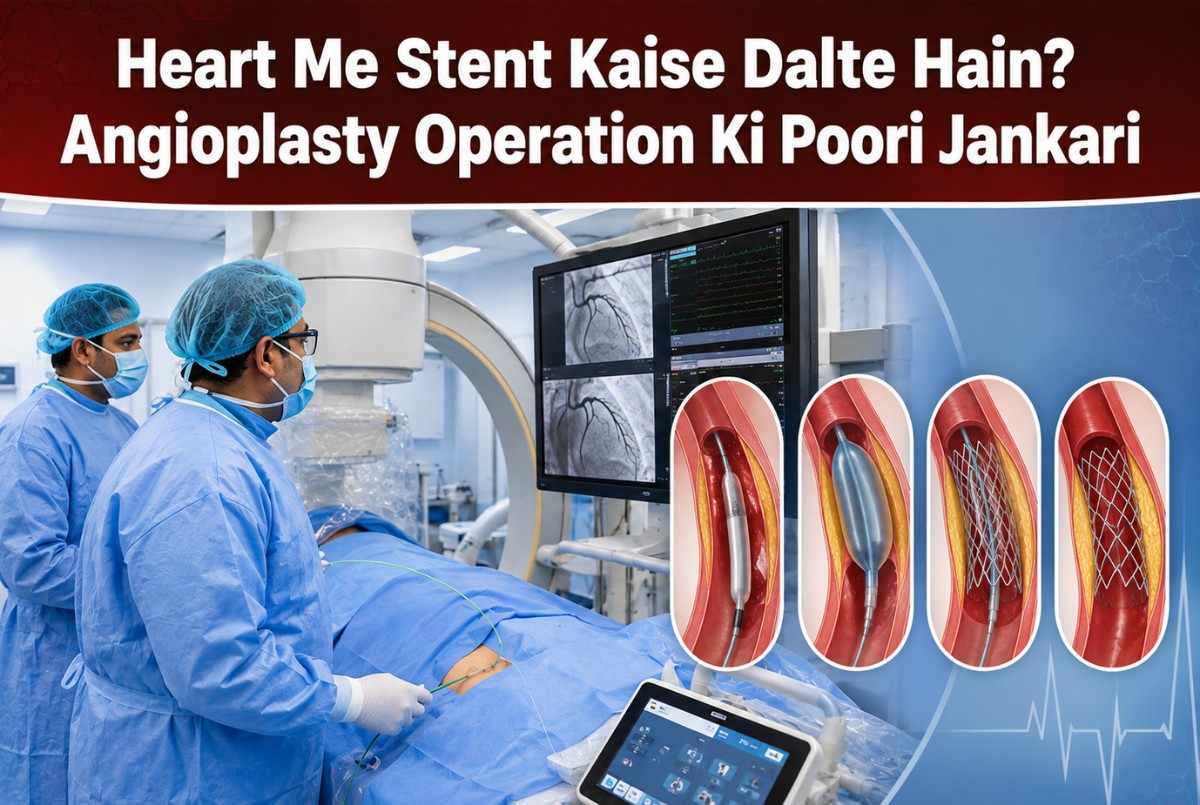
Heart Me Stent Kaise Dalte Hain? Angioplasty Operation Ki Poori Jankari
-
Angiography Test in Deoghar: Purpose, Procedure, and What to Expect
-
Dil Ki Nas Band Hone Ke Lakshan: Heart Blockage Ko Kaise Pehchanein?
-
Heart Attack Emergency First Aid: What to Do in the Golden Hour