Heart Attack Symptoms, Causes and Treatment — Why Early Cardiology Care in Deoghar Can Save Your Life
- Home
- Blog
Heart disease is the leading cause of death worldwide, and India is no exception. In smaller cities and semi-urban regions like Deoghar, Jharkhand, the risk is compounded by limited health awareness, delayed medical consultation, and lifestyle factors that quietly damage the heart over years. Consulting a qualified cardiologist in Deoghar at the right time — whether for chest discomfort, breathlessness, or routine cardiac screening — can make the difference between a full recovery and a life-altering event.
This article explains what a heart attack is, what warning signs to watch for, and what modern cardiac care looks like so that patients and families across Deoghar and nearby areas can make informed, timely decisions about their heart health.
Understanding Heart Attacks: What Is Really Happening in Your Body
The heart is a muscle, and like every muscle, it needs a continuous supply of oxygen-rich blood to function. This blood is delivered through the coronary arteries. A heart attack — medically known as a myocardial infarction — occurs when one of these arteries becomes blocked, cutting off blood flow to part of the heart muscle.
Without blood supply, heart muscle cells begin to die within minutes. The more time that passes without treatment, the more damage occurs. This is why the phrase “time is muscle” is so widely used in cardiology — every minute of delay directly affects how much heart function can be preserved.
Heart disease builds silently over years. Fatty deposits called plaques gradually narrow the coronary arteries in a process called atherosclerosis. A heart attack typically happens when one of these plaques ruptures and a blood clot forms suddenly at the site, causing a complete blockage. Because this process is silent for so long, many people have their first encounter with heart disease in the form of a sudden cardiac event — which is precisely why awareness, screening, and access to a reliable cardiac treatment hospital in Deoghar matter so much.
Common Causes and Risk Factors for Heart Disease
- High blood pressure (hypertension) — Consistently elevated blood pressure damages arterial walls over time, accelerating plaque formation. It is one of the most common and under-managed risk factors in Jharkhand.
- Diabetes — High blood sugar levels damage blood vessels and nerves, significantly increasing cardiovascular risk. Diabetic patients are two to four times more likely to develop heart disease.
- Smoking and tobacco use — Tobacco accelerates arterial damage, reduces oxygen-carrying capacity of blood, and promotes clot formation. Even secondhand smoke exposure increases risk.
- High cholesterol — Elevated LDL (bad cholesterol) contributes directly to plaque buildup in coronary arteries.
- Obesity and physical inactivity — Excess body weight, particularly around the abdomen, is closely linked to hypertension, diabetes, and unfavourable cholesterol levels.
- Family history — A first-degree relative (parent or sibling) who had a heart attack before age 55 (men) or 65 (women) significantly elevates personal risk.
- Chronic stress — Prolonged psychological stress elevates cortisol and adrenaline levels, which over time raises blood pressure and promotes inflammation in the arteries.
Many of these risk factors can be managed or reduced with the right medical guidance and lifestyle changes — which is why regular consultation with a heart specialist in Deoghar, Jharkhand is valuable even before symptoms appear.
Symptoms You Should Not Ignore
Recognising a heart attack in progress is critical. The challenge is that symptoms vary between individuals, and some heart attacks present subtly — particularly in women, elderly patients, and people with diabetes. Here are the key warning signs:
Classic symptoms:
- Chest pain, pressure, tightness, or heaviness — often described as a “weight on the chest”
- Pain that spreads to the left arm, shoulder, jaw, neck, or upper back
- Sudden shortness of breath, even without significant physical exertion
- Profuse sweating that appears without reason
- Nausea or vomiting, sometimes mistaken for a digestive issue
Less obvious symptoms (often missed):
- Unusual fatigue lasting several days, especially in women
- Lightheadedness or sudden dizziness
- A sense of impending doom or unexplained anxiety
- Discomfort in the upper abdomen that may feel like indigestion
If you or someone around you is asking when to see a cardiologist in Deoghar for chest pain and heart problems — the answer is: do not wait for symptoms to become severe. Any unexplained chest discomfort, breathlessness, or palpitations that are new, persistent, or worsening deserve medical evaluation. In an active cardiac event, call for emergency help immediately rather than driving yourself to the hospital.
Diagnosis and Cardiac Evaluation
When a patient presents to a chest pain doctor in Deoghar or arrives at an emergency department with cardiac symptoms, a structured evaluation begins promptly:
Clinical Assessment — The doctor records a detailed symptom history, checks vital signs including blood pressure, pulse, and oxygen levels, and performs a focused physical examination.
Electrocardiogram (ECG) — This is the first test performed in suspected cardiac events. It records the heart’s electrical activity and can identify whether a heart attack is in progress, what type it is, and which part of the heart is affected.
Blood Tests (Cardiac Biomarkers) — Enzymes such as Troponin I and T are released into the bloodstream when heart muscle cells are damaged. These tests can confirm a heart attack and track its progression.
Echocardiogram — An ultrasound of the heart that shows its structure, pumping function, and valve health. It helps assess the extent of damage after a cardiac event.
Chest X-ray — Useful for evaluating heart size, lung congestion, and ruling out other causes of chest symptoms.
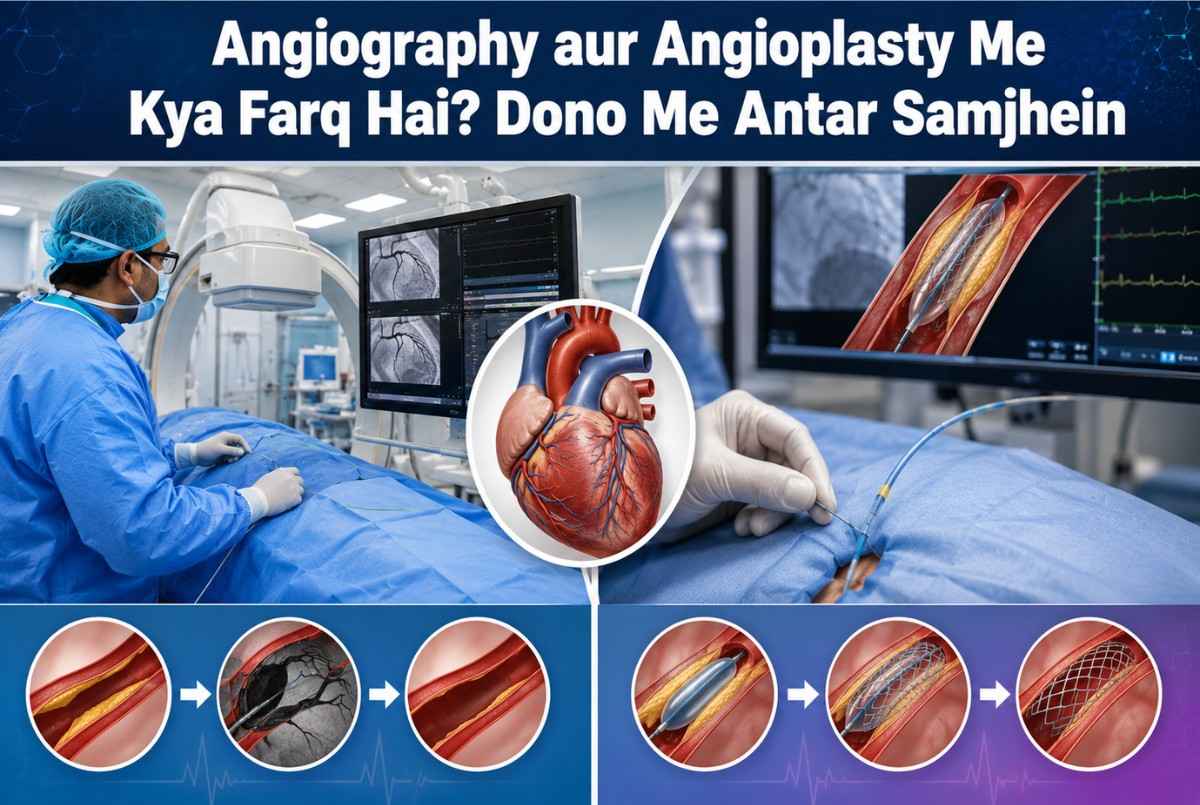
Coronary Angiography — In certain cases, a catheter-based imaging test is performed to visualise the coronary arteries directly and identify blockages that may require intervention.
Treatment Options for Heart Attack and Heart Disease
Treatment depends on the type and severity of the cardiac event, but the goals are consistent: restore blood flow, protect remaining heart muscle, manage symptoms, and prevent future events.
Medications commonly used include:
- Antiplatelet agents (such as aspirin and clopidogrel) to prevent further clot formation
- Thrombolytics (clot-busting drugs) when given early in eligible patients
- Beta-blockers to reduce the heart’s workload and lower blood pressure
- ACE inhibitors or ARBs to protect heart function over the long term
- Statins to manage cholesterol and stabilise arterial plaques
Interventional Procedures:
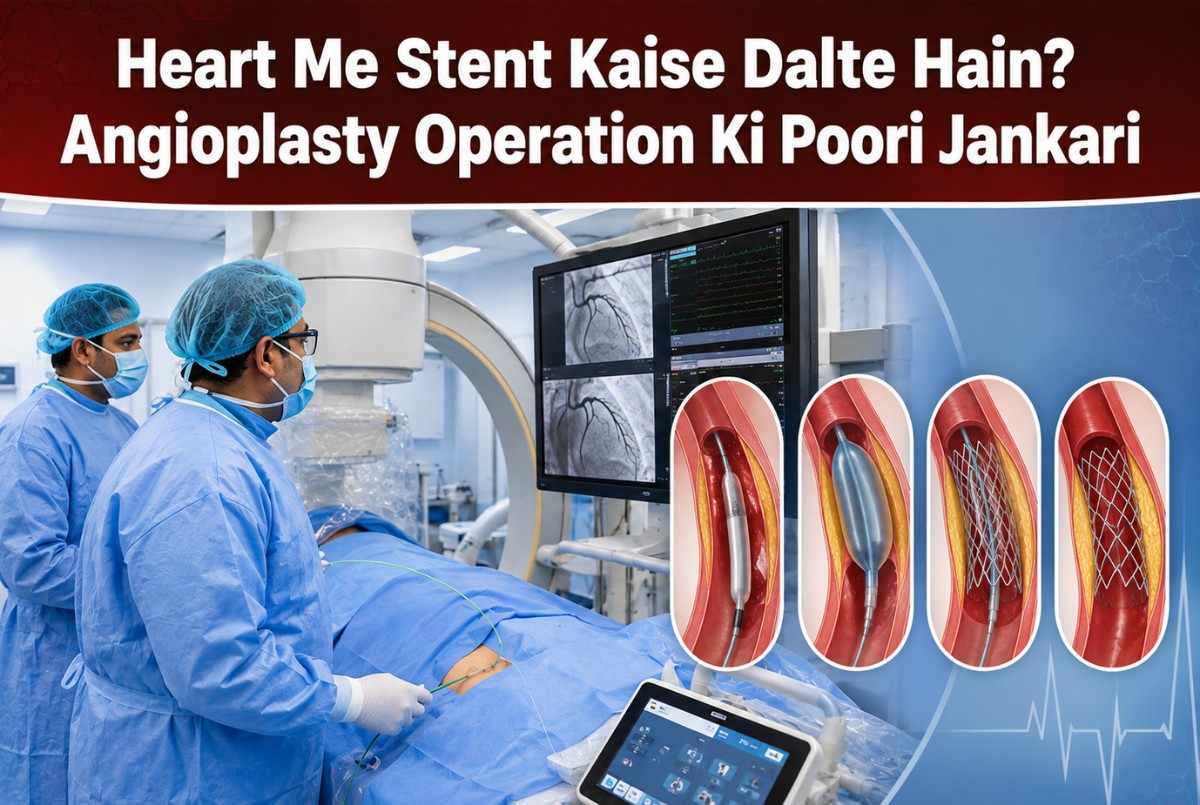
- Percutaneous Coronary Intervention (PCI or angioplasty) — A catheter with a balloon is used to open the blocked artery, often followed by placement of a stent to keep the artery open. This is the preferred treatment for most heart attacks when performed within the critical time window.
- Coronary Artery Bypass Grafting (CABG) — A surgical procedure for patients with multiple or complex blockages, where new pathways for blood flow are created around the affected arteries.
Cardiac Rehabilitation — Following a heart attack or procedure, a structured rehabilitation programme helps patients regain strength, manage risk factors, and reduce the likelihood of a future event. This includes supervised exercise, dietary counselling, and psychological support.
Prevention Tips for a Healthier Heart
- Monitor and manage blood pressure — Have it checked regularly and follow your doctor’s guidance if it is elevated.
- Control blood sugar — If you have diabetes or pre-diabetes, work closely with your doctor to keep glucose levels within target range.
- Quit tobacco in all forms — Stopping smoking and tobacco use reduces cardiovascular risk significantly within months of quitting.
- Eat a heart-healthy diet — Reduce salt, refined sugar, fried foods, and red meat. Increase vegetables, fruits, whole grains, and healthy fats like those found in nuts and fish.
- Exercise regularly — Aim for at least 30 minutes of moderate physical activity on most days of the week. Even brisk walking helps.
- Manage stress actively — Yoga, adequate sleep, and open communication about mental health are all proven contributors to heart health.
- Attend regular cardiac screenings — Particularly if you have risk factors, annual health check-ups that include ECG, cholesterol, and blood pressure assessment are worthwhile.
When Should You See a Cardiologist?
Routine consultation with a cardiologist is not just for people who have already had a heart attack. You should consider seeing a cardiologist in Deoghar if:
- You experience any chest pain, pressure, or discomfort — even if it passes quickly
- You have been diagnosed with hypertension, diabetes, or high cholesterol
- You have a family history of early heart disease
- You experience palpitations, irregular heartbeat, or unexplained shortness of breath
- You are above 40 years of age with multiple risk factors and have not had a cardiac screening
For those looking for the best cardiac hospital in Deoghar, Jharkhand for heart attack treatment and prevention, the priority should be a facility that combines specialist expertise, diagnostic capability, and the ability to manage both emergencies and long-term care in one place.
How Medifort Wellness Super Speciality Hospital in Deoghar Can Help
Medifort Wellness Super Speciality Hospital in Deoghar is committed to providing accessible, high-quality cardiac care for patients across Deoghar, Dumka, Godda, Jasidih, and the wider Jharkhand region.
The hospital’s cardiology department is supported by experienced cardiologists and cardiac care specialists who manage the full spectrum of heart conditions — from initial diagnosis and risk assessment to acute cardiac events and long-term disease management. The question of how Medifort Hospital Deoghar treats heart disease with advanced cardiology care is answered in its approach: combining modern diagnostic tools, evidence-based treatment protocols, and patient-centred communication at every step.
Diagnostic capabilities at Medifort include ECG, echocardiography, stress testing, and cardiac biomarker evaluation, enabling rapid assessment of cardiac emergencies. The hospital’s emergency and critical care infrastructure ensures that patients arriving with heart attack symptoms receive prompt triage and stabilisation.
Equally important is the continuity of care. Beyond the acute phase, the team at Medifort supports patients in understanding their condition, managing medications, adopting lifestyle changes, and scheduling appropriate follow-up — because preventing the next cardiac event is just as important as treating the first one.
Frequently Asked Questions
Q1. When should I see a cardiologist in Deoghar for chest pain? Any chest pain that is unexplained, radiates to the arm or jaw, is accompanied by breathlessness or sweating, or recurs with exertion should be evaluated by a cardiologist without delay. Do not self-diagnose chest symptoms as acidity or muscle pain without medical confirmation.
Q2. Can a heart attack happen without chest pain? Yes. Particularly in women, elderly individuals, and diabetic patients, heart attacks can present without classic chest pain. Symptoms may include unusual fatigue, jaw discomfort, nausea, or breathlessness. These atypical presentations are one reason awareness is so important.
Q3. Is heart disease reversible with lifestyle changes? While established coronary artery disease cannot be fully reversed, its progression can be significantly slowed and its effects managed through medication, lifestyle modification, and regular monitoring. Early intervention offers the best opportunity to protect long-term heart function.
Q4. How quickly should a heart attack patient reach a cardiac hospital? The sooner the better. Ideally, treatment should begin within 90 minutes of symptom onset for the best outcomes — this is called the “door-to-balloon” time for angioplasty. Any delay increases the extent of heart muscle damage.
Q5. What tests are done to check heart health before symptoms appear? Preventive cardiac screening typically includes a resting ECG, echocardiogram, stress test, lipid profile, blood sugar, and blood pressure measurement. These help identify risk and early disease before a cardiac event occurs.
Q6. Does Medifort Wellness in Deoghar have facilities for cardiac emergencies? Yes. Medifort Wellness Super Speciality Hospital operates 24-hour emergency services with cardiac monitoring capabilities, cardiac biomarker testing, and specialist support to manage acute cardiac events promptly.
Conclusion
Heart attacks are among the most preventable yet most deadly medical events — and the gap between a good outcome and a fatal one often comes down to awareness and speed of action. Understanding the symptoms, knowing your personal risk factors, and having access to a trusted cardiologist in Deoghar are the foundations of heart health in this region.
Whether you are managing an existing condition, concerned about symptoms, or simply overdue for a cardiac check-up, do not delay. The heart does not give second chances lightly — but with the right care at the right time, many cardiac events can be survived and recovered from well.
If you or a family member has concerns about heart health, reach out to the cardiology team at Medifort Wellness Super Speciality Hospital, Deoghar. Early evaluation, even when symptoms seem minor, is always the right decision.
This article is intended for general health awareness and educational purposes only. It does not substitute professional medical advice, diagnosis, or treatment. Always consult a qualified healthcare professional for personal medical concerns.