When Should You Visit an Emergency Hospital in Deoghar? Warning Signs You Should Never Ignore
- Home
- Blog
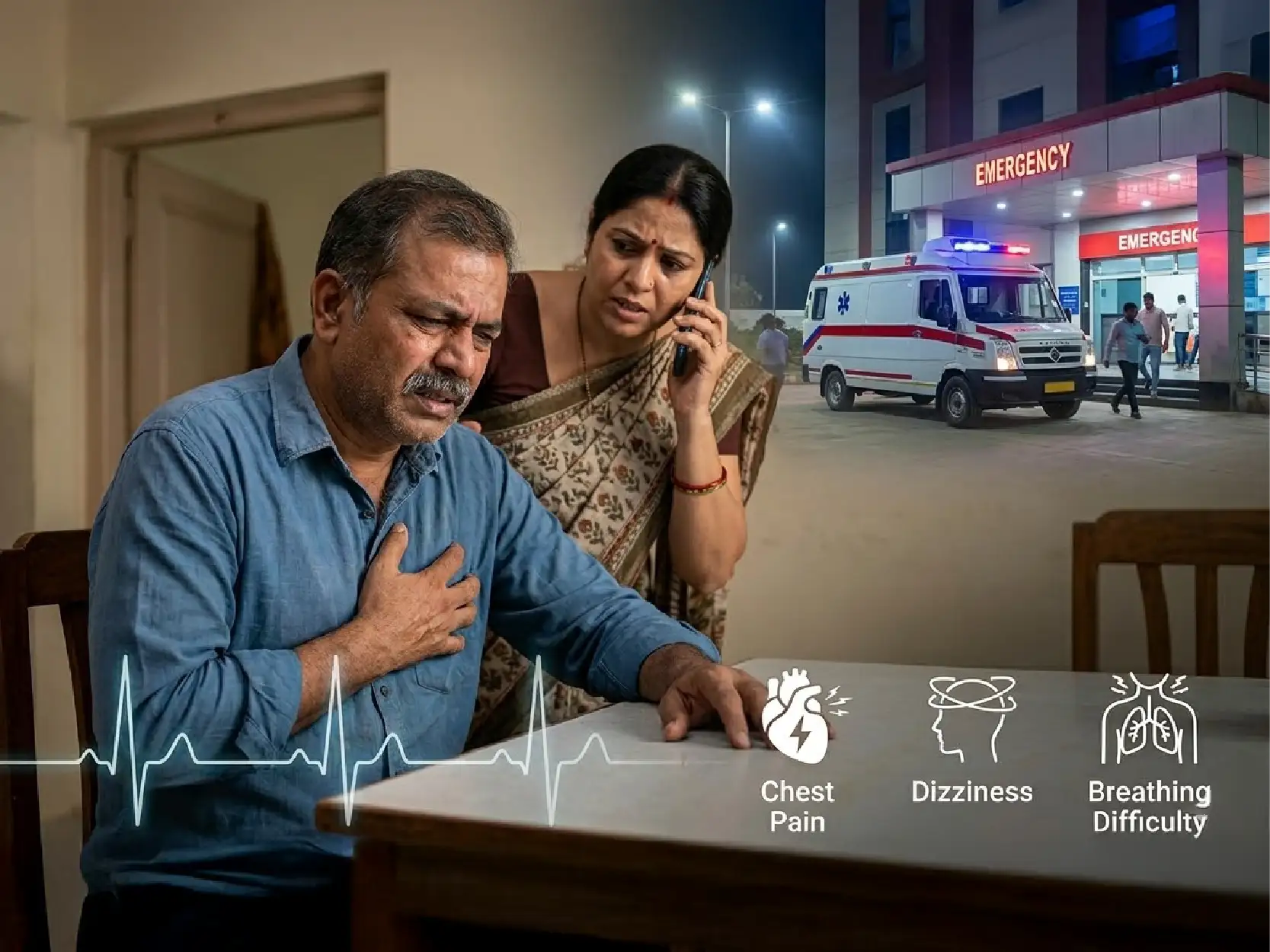
Every minute counts during a medical emergency. Yet many people in Deoghar and surrounding areas like Dumka, Godda, and Jasidih hesitate before rushing to an emergency hospital — either unsure whether the situation is serious enough, or simply unaware of the warning signs that demand immediate attention. This hesitation can cost lives.
Knowing when to head straight to an emergency hospital in Deoghar is one of the most important pieces of health knowledge any family can have. This article walks you through the red flags you must never ignore, and what to expect when you arrive at a well-equipped emergency facility.
Understanding Medical Emergencies: What Counts as One?
A medical emergency is any sudden condition that poses an immediate threat to a person’s life, long-term health, or organ function. Unlike routine illnesses that can wait for a scheduled appointment, emergencies demand care within minutes or hours — not days.
Many people confuse urgency with emergency. A high fever with a rash in a child, a sudden crushing chest pain in an adult, or a head injury after a road accident are not situations to “wait and watch.” These are signals from the body that something is critically wrong.
Awareness matters because Deoghar and the broader Jharkhand region have historically faced challenges in emergency health literacy. Families who understand warning signs are better positioned to make fast, informed decisions — and that awareness directly improves survival rates and recovery outcomes.
Common Situations That Lead to Emergency Hospital Visits
Understanding what typically brings patients to emergency departments helps you recognize when your own situation qualifies:
- Road traffic accidents and trauma — Deoghar’s highways and rural roads see regular accident cases involving head injuries, fractures, and internal bleeding.
- Cardiac events — Heart attacks and severe chest pain are among the leading causes of emergency admissions, even in younger adults.
- Stroke — Sudden facial drooping, slurred speech, or arm weakness require emergency care within the first few hours for the best outcomes.
- Severe breathing difficulty — Respiratory distress from asthma attacks, pneumonia, or allergic reactions can escalate within minutes.
- High fever with altered consciousness — Particularly dangerous in children, the elderly, and those with existing health conditions.
- Poisoning or overdose — Accidental or intentional ingestion of toxic substances requires immediate intervention.
- Obstetric emergencies — Complications during pregnancy or childbirth, including heavy bleeding or prolonged labor, are life-threatening without rapid care.
Each of these situations demands access to a 24 hour hospital in Deoghar with the right equipment and trained personnel available around the clock.
Symptoms You Should Never Ignore
This is the most critical section of this article. The following symptoms are your body’s distress signals. If you or anyone around you experiences these, do not wait — seek emergency care immediately.
Chest and Heart Symptoms
- Sudden, intense chest pain, pressure, or tightness — especially if it spreads to the arm, jaw, or back
- Irregular, racing, or skipping heartbeat accompanied by dizziness
- Sudden shortness of breath at rest
Neurological Symptoms
- Sudden severe headache described as “the worst headache of your life”
- Confusion, disorientation, or loss of consciousness
- Weakness or numbness on one side of the body
- Sudden difficulty speaking or understanding speech
- Seizures in someone with no prior history
Breathing and Lung Symptoms
- Difficulty breathing that does not improve with rest
- Bluish discolouration of lips or fingertips
- Coughing up blood
Abdominal and Digestive Symptoms
- Sudden, severe abdominal pain
- Vomiting blood or passing black, tarry stools
- Signs of appendicitis — pain that starts around the navel and moves to the lower right
Injury-Related Symptoms
- Head injury with vomiting, confusion, or unequal pupils
- Deep wounds that won’t stop bleeding
- Suspected fractures with deformity or inability to bear weight
- Spinal injuries after falls or accidents
In Children
- High fever above 104°F (40°C) that is not responding to medication
- Difficulty breathing, persistent crying, or inability to wake the child
- Rashes that appear suddenly and spread rapidly
If you are asking yourself what are the warning signs that need immediate hospital emergency care, the answer is simple: when in doubt, go. It is always safer to be evaluated and reassured than to wait and let a serious condition worsen.
How Emergencies Are Evaluated at the Hospital
When a patient arrives at the emergency department, a systematic process begins immediately:
Triage Assessment — Medical staff quickly classify the severity of the condition to prioritize treatment. The most critical patients are attended to first, regardless of the order of arrival.
Clinical Examination — Doctors assess vital signs including pulse, blood pressure, oxygen saturation, temperature, and respiratory rate. A focused physical examination follows.
Diagnostic Tests — Depending on the presenting complaint, tests may include:
- Blood investigations (CBC, cardiac enzymes, blood sugar, electrolytes)
- ECG (electrocardiogram) for cardiac symptoms
- X-rays for fractures or chest conditions
- CT scan or MRI for head injuries, strokes, or internal trauma
- Ultrasound for abdominal emergencies
Monitoring — Critically ill patients are shifted to the ICU or resuscitation bay for continuous monitoring while treatment begins.
Treatment Approaches in Emergency Care
Emergency treatment is not one-size-fits-all. It is guided entirely by the patient’s condition and the findings from evaluation.
- Cardiac emergencies may require thrombolysis (clot-busting medication), oxygen therapy, and monitoring in a cardiac care unit.
- Stroke patients may need immediate imaging and, where appropriate, thrombolytic therapy within the critical window period.
- Trauma cases may require surgical intervention, blood transfusions, or orthopaedic stabilisation.
- Respiratory emergencies are managed with oxygen, bronchodilators, nebulisation, or ventilatory support when needed.
- Poisoning cases receive specific antidotes, activated charcoal, gastric lavage, or supportive care based on the substance involved.
- Paediatric emergencies are handled with age-appropriate dosages and monitoring protocols.
The goal of emergency treatment is always stabilisation first — stopping deterioration, protecting vital organs, and creating the window for definitive treatment.
Practical Steps to Stay Prepared for a Medical Emergency
- Save emergency contact numbers — Store the hospital’s emergency helpline in every family member’s phone.
- Know the route to your nearest emergency hospital — Do a dry run during the day so you are not navigating unfamiliar roads under stress at night.
- Keep a basic medical history handy — A simple card with blood group, known allergies, existing conditions, and current medications can help doctors treat you faster.
- Do not drive yourself during a cardiac or neurological event — Call for help or ask someone else to drive.
- Do not give food or water to someone who is unconscious or has a suspected abdominal or spinal injury.
- Learn basic first aid — CPR and wound care knowledge can buy critical time before professional help arrives.
- Keep children’s vaccination records up to date — Many childhood emergencies, including encephalitis and severe infections, are vaccine-preventable.
When Should You Go to the Emergency Department Without Waiting?
If you are still weighing whether to go, here is a simple rule: any symptom that is sudden, severe, or rapidly worsening deserves emergency evaluation. This is especially true for:
- Symptoms occurring in children under five or adults over 65
- Symptoms in people with diabetes, heart disease, or a history of stroke
- Any head injury, even if the person seems fine initially
- Pregnancy-related symptoms such as heavy bleeding, severe pain, or reduced foetal movement
For those searching for which is the best 24 hour emergency hospital in Deoghar Jharkhand, the key criteria should be round-the-clock availability, trained emergency physicians, diagnostic support, and a connected ICU — not just proximity alone.
How Medifort Wellness Super Speciality Hospital in Deoghar Can Help
Medifort Wellness Super Speciality Hospital in Deoghar is equipped to provide comprehensive emergency and critical care services for patients across Deoghar, Dumka, Godda, Jasidih, and surrounding regions of Jharkhand.
The hospital’s emergency department operates 24 hours a day, seven days a week, supported by a team of experienced emergency physicians, critical care specialists, and trained nursing staff. For patients requiring trauma care in Deoghar, the facility offers structured trauma management with access to surgical, orthopaedic, and neurology expertise.
Diagnostic capabilities including ECG, blood investigations, X-ray, ultrasound, and CT scanning are available to ensure rapid and accurate assessment. The hospital’s critical care unit provides continuous monitoring for patients who require intensive support following stabilisation.
Beyond treatment, the team at Medifort Wellness is committed to communicating clearly with patients and their families — explaining what is happening, what tests are being done, and what the care plan involves. For communities in Jharkhand where trust in healthcare facilities matters deeply, this transparency is a core part of how the hospital operates.
Whether it is a road accident, a sudden cardiac event, a respiratory crisis, or any other emergency, Medifort Wellness aims to be a dependable point of care when it matters most.
Frequently Asked Questions
Q1. What qualifies as a medical emergency that requires going to the hospital immediately? Any sudden, severe, or rapidly worsening symptom qualifies — including chest pain, difficulty breathing, loss of consciousness, signs of stroke, serious injury, or uncontrolled bleeding. When in doubt, always seek emergency evaluation rather than waiting.
Q2. Is Medifort Hospital in Deoghar open 24 hours for emergencies? Yes. Medifort Wellness Super Speciality Hospital operates a 24 hour emergency department to serve patients from Deoghar and surrounding areas including Dumka, Godda, and Jasidih at any time of day or night.
Q3. What should I bring when visiting the emergency hospital in Deoghar? Bring any available medical records, a list of current medications, identification, and your health insurance card if applicable. In a critical emergency, do not delay arrival in order to gather documents — your safety comes first.
Q4. Can I walk into the emergency department or do I need an appointment? Emergency departments do not require appointments. Walk in or arrive by ambulance at any time. Staff will triage and attend to you based on the severity of your condition.
Q5. What is the difference between urgent care and an emergency department? Urgent care handles non-life-threatening conditions that still need same-day attention, such as minor injuries or moderate fever. An emergency department is designed for life-threatening or rapidly deteriorating conditions requiring immediate intervention and monitoring.
Q6. How quickly should a stroke patient reach an emergency hospital? Stroke care is most effective within the first three to four and a half hours of symptom onset — often called the “golden window.” Reaching a critical care hospital in Jharkhand with neurological support as fast as possible significantly improves recovery chances.
Conclusion
Medical emergencies do not follow schedules, and they do not wait for convenient moments. Whether it is a trauma case on the highway, a sudden cardiac event at home, or a child with a dangerously high fever, the difference between a good outcome and a tragic one often comes down to how quickly the right care is accessed.
Recognising the warning signs, trusting your instincts, and knowing where to go are the three most important things you can do for yourself and your loved ones. If you are in Deoghar or the surrounding districts of Jharkhand, make sure your family knows the location and contact number of your nearest 24-hour emergency hospital before an emergency ever arises.
If you or a family member is experiencing any of the symptoms described in this article, do not delay. Reach out to the emergency team at Medifort Wellness Super Speciality Hospital, Deoghar — because prompt care saves lives.
This article is intended for general health awareness and educational purposes only. It does not substitute professional medical advice, diagnosis, or treatment. Always consult a qualified healthcare professional for personal medical concerns.
Share It:
-

Is Heart Stent Surgery Safe? Myths and Success Rates Explained
-
Angiography aur Angioplasty Me Kya Farq Hai? Dono Me Antar Samjhein
-
Heart Me Stent Kaise Dalte Hain? Angioplasty Operation Ki Poori Jankari
-
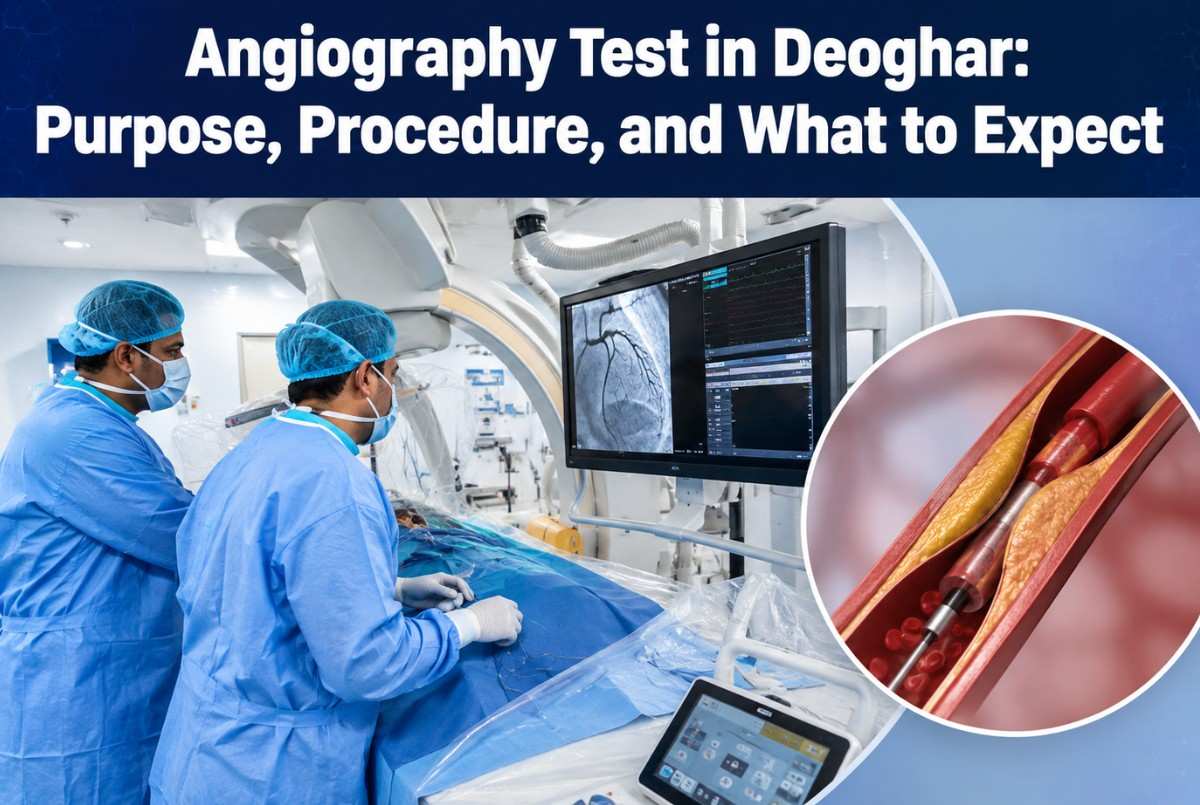
Angiography Test in Deoghar: Purpose, Procedure, and What to Expect
-
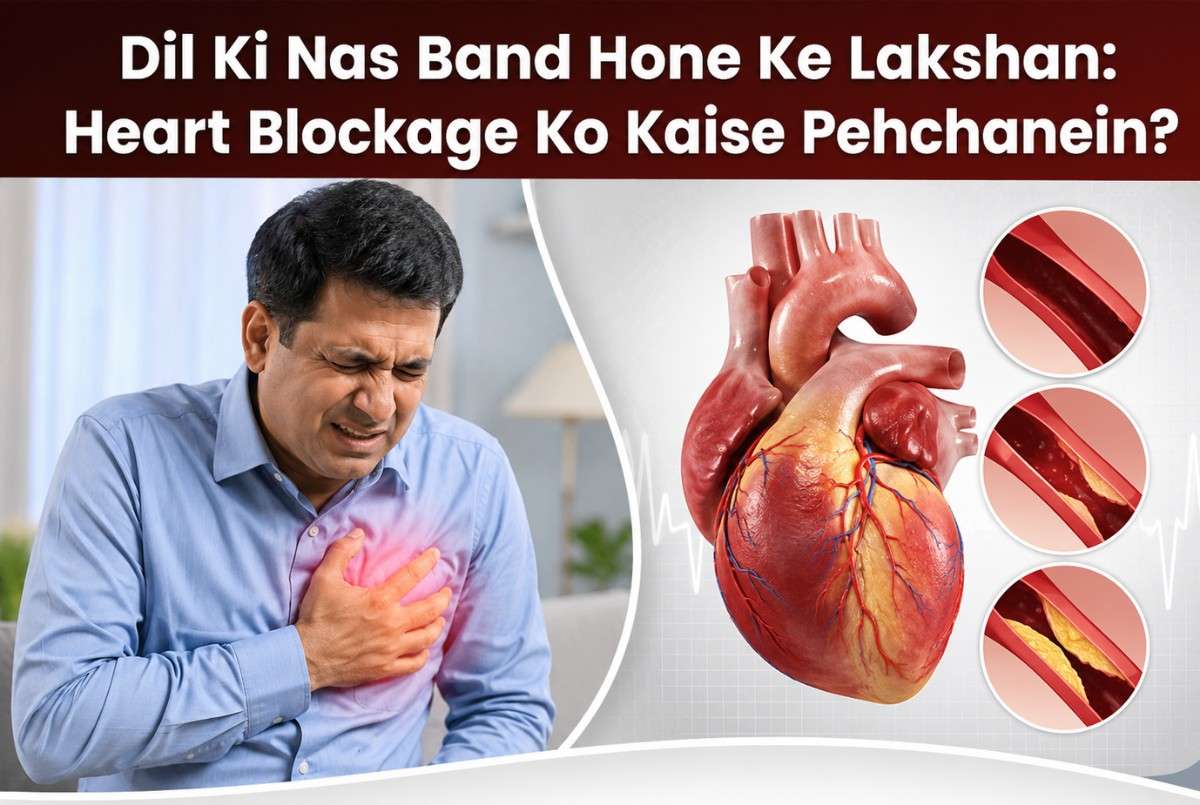
Dil Ki Nas Band Hone Ke Lakshan: Heart Blockage Ko Kaise Pehchanein?