
Signs of Kidney Failure You Should Never Ignore
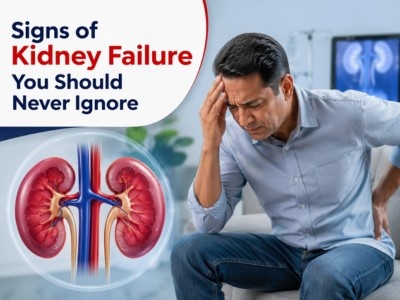
Kidney Care Signs of Kidney Failure You Should Never Ignore 2026 june 24 Share it : Nephrology Ramesh had been feeling tired for months. His ankles were puffy by evening, and he’d wake up two or three times at night to use the bathroom. He put it down to getting older — he was 48, after all, and running a small shop in Bhagalpur’s Adampur market kept him on his feet all day. It was only when his wife noticed his face looked pale and swollen one morning that they finally visited a doctor. His kidney function had already dropped to a dangerous level. The signs of kidney failure had been quietly there for a long time. Kidneys don’t usually announce their distress loudly. That’s the problem. Understanding Kidney Disease Symptoms Before They Become a Crisis Your kidneys work silently and continuously — filtering waste from your blood, balancing fluids, regulating blood pressure, and producing hormones that keep your bones and red blood cells healthy. Two small organs doing an enormous job, every single day. When kidney function begins to decline, the body adapts — at least for a while. This is why kidney disease is often called a “silent illness.” By the time symptoms become noticeable, a significant amount of kidney function may already be lost. This is not meant to alarm you. It is meant to help you pay attention earlier than most people do. Kidney disease falls broadly into two categories. Acute kidney injury happens suddenly — often due to severe infection, dehydration, or certain medications — and can sometimes be reversed if treated quickly. Chronic kidney disease (CKD) develops gradually over months or years, often linked to conditions like diabetes and high blood pressure, and requires long-term management. Kidney disease symptoms are easy to overlook because they mimic everyday complaints — fatigue, mild swelling, changes in how often you urinate. But knowing what to watch for can genuinely change the course of your health. Why Kidney Problems Are a Growing Concern in Bhagalpur and Surrounding Areas Across Bihar, diabetes and hypertension have been rising steadily — and both are the leading causes of chronic kidney disease. In cities like Bhagalpur, where lifestyle patterns have shifted over the past decade, more people are living with these conditions than ever before. Many don’t know it yet. The challenge is compounded by the fact that routine kidney function tests — a simple blood test called serum creatinine and a urine test for protein — are not part of most people’s annual health check in this region. By the time someone searches for the early signs of kidney problems and acts on that concern, the disease may already be at a moderate or advanced stage. Access to a kidney specialist doctor in Bhagalpur has historically been limited, pushing patients toward Patna or Kolkata for nephrology consultations. For families in Bhagalpur, Banka, Sultanganj, and Kahalgaon, that journey is often delayed until the situation becomes urgent. And in kidney disease, delay is costly. Getting evaluated early — even when symptoms seem mild — can slow disease progression significantly. Sometimes it can prevent dialysis entirely, or at least push it much further into the future. Nephrology and Dialysis Care at Medifort Wellness Hospital Medifort Wellness Hospital has a functioning Nephrology department within its 75-bed multispeciality setup in Bhagalpur. The goal of this department is not just to manage advanced kidney disease — it is to catch problems early, slow their progression, and support patients through every stage of kidney care. As a trusted dialysis center in Bhagalpur, Medifort offers: Nephrology consultations with experienced kidney specialists for diagnosis, management, and second opinions Comprehensive kidney function testing — blood tests, urine analysis, and imaging to assess kidney health accurately Dialysis services for patients with advanced chronic kidney disease or acute kidney injury requiring renal replacement therapy Hypertension and diabetes management in coordination with nephrology — since controlling these conditions directly protects kidney function Dietary and fluid guidance tailored to kidney patients, which is a critical but often neglected part of care Coordination with other departments — cardiology, general medicine, and surgery — since kidney disease often involves multiple systems For patients looking for the best dialysis center in Bhagalpur, Medifort’s dialysis unit is equipped with modern machines and follows strict hygiene and infection control protocols. Each dialysis session is supervised by trained staff, and patients are monitored throughout. What matters as much as the equipment is the consistency of care. Dialysis patients need regular, reliable sessions — and Medifort is set up to provide exactly that. What Visiting a Kidney Specialist at Medifort Looks Like Many people hesitate to see a nephrologist because they don’t know what the appointment involves, or they’re afraid of what they might find out. Both are understandable. But clarity is always better than uncertainty when it comes to kidney health. When you visit a kidney specialist doctor in Bhagalpur at Medifort, the first appointment typically involves a detailed review of your medical history — particularly any history of diabetes, high blood pressure, repeated urinary infections, or use of painkillers over long periods (which can quietly harm kidneys over time). The doctor will then recommend specific tests based on your situation. A basic kidney panel includes serum creatinine and eGFR (estimated glomerular filtration rate, which measures how well your kidneys filter blood), urine protein, and a urine routine examination. An ultrasound of the kidneys may also be requested to check their size and structure. Once results are available, your nephrologist explains what they mean in plain language — not in a way that overwhelms you, but in a way that helps you understand where you stand and what your options are. If kidney disease is detected, a management plan is put in place. This usually includes medication adjustments, dietary changes, and regular monitoring. If dialysis is needed — either short-term or long-term — the team explains the process fully before it begins, so you know exactly what to expect at
How Kidney Problems Can Affect Your Heart
Heart Care How Kidney Problems Can Affect Your Heart 28 September 2023 You might be surprised to learn that kidney problems and heart issues are connected. Even though these two organs might seem unrelated, they have a significant impact on each other. Here we explain why kidney problems can increase the risk of heart disease. It’s essential to understand this connection to take better care of your health. High Blood Pressure (Hypertension) Your kidneys play a vital role in managing your blood pressure. They help control the volume of blood and electrolyte balance in your body. When your kidneys are not working correctly due to disease, your blood pressure can rise. High blood pressure puts extra stress on your heart, which can increase the risk of conditions like heart attacks and heart failure. Fluid and Electrolyte Imbalance Your kidneys also help maintain a balance of essential electrolytes in your body, like sodium, potassium, and calcium. When kidney disease occurs, this balance can get disrupted. Imbalances can lead to irregular heart rhythms, which can be dangerous. Too much fluid in your body due to kidney problems can also strain your heart, making it harder for it to pump blood effectively. Dyslipidemia Dyslipidemia is a condition where you have abnormal fat levels in your blood, especially abnormal levels of LDL cholesterol and triglycerides. Kidney disease can cause dyslipidemia because your kidneys are involved in processing fats. These abnormal lipid levels can increase your risk of atherosclerosis, the buildup of plaque in your arteries, which can lead to heart attacks and strokes. Inflammation and Oxidative Stress Kidney disease often leads to chronic inflammation and oxidative stress in your body. These issues contribute to the development of atherosclerosis, which is the buildup of plaque in your arteries. Oxidative stress can harm the walls of your blood vessels and promote the formation of arterial plaque, which increases your risk of heart disease. Uremic Toxins As your kidney function decreases, your body may accumulate uremic toxins, waste products that your kidneys would normally filter out. These toxins can be harmful to your cardiovascular system. They can cause your blood vessels to tighten, raising your blood pressure, and they can also harm your heart muscle, possibly leading to heart failure. The relationship between kidney problems and heart disease is quite complex, but understanding it is essential for your health. Kidney issues not only increase your risk of heart disease but can also make heart problems worse. That’s why it’s crucial to look at both your heart and kidneys when you have health concerns. Early diagnosis and personalized treatment plans, including lifestyle changes and medications when needed, can help lower the risks associated with these conditions. At Medifort Wellness Hospital, we’re here to support you. Our team of experienced doctors works together to provide the best care for patients dealing with kidney and heart issues. We focus on early detection, prevention, and personalized treatments to reduce the impact of heart disease on those with kidney problems. Remember, taking care of your heart and kidneys is vital for a long and healthy life, and we’re here to help you every step of the way. Share it : Latest Post How kidney disease can impact your body 26 Feb 2026 Heart Health in Summer: Tips to Keep Your Heart Safe from Heatwaves 23 Feb 2026 Best Child Hospital in Bhagalpur for Newborn & Pediatric Care 06 Jan 2026 Blue Baby Syndrome: What Every Parent Needs to Know About This Life-Threatening Condition 24 Nov 2025
How a Healthy Liver Can Help You Live Longer
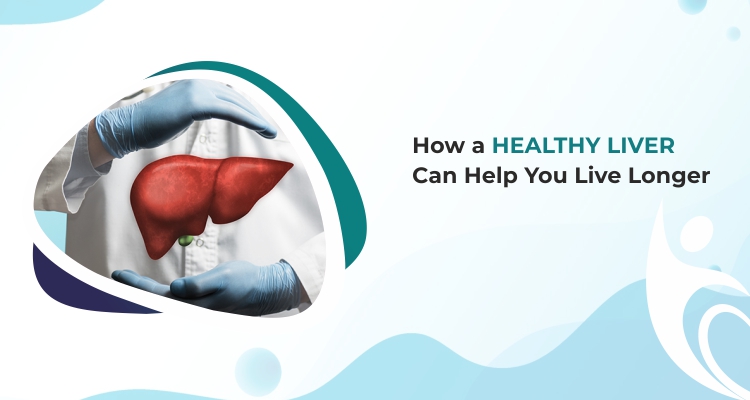
Kidney Care How a Healthy Liver Can Help You Live Longer 25 April 2023 Imagine having an organ in your body that performs over 500 functions that keep you alive. Sounds incredible, right? Well, that’s exactly what your liver does! Liver, referred to as the unsung hero of our body, is a remarkable organ that deserves some love and attention. Let’s learn about what keeps our liver ticking and how to keep this incredible organ in top shape! Why Liver is Special The liver is the largest internal organ in our body and has a unique ability to regenerate itself. It is one of the most accomplished multi-taskers, performing a multitude of vital functions from processing nutrients and filtering toxins to producing bile for digestion and storing vitamins and minerals, the liver does it all! Without a healthy liver, our bodies would struggle to function optimally, making it a truly special organ that deserves our attention and care. What does your liver do As mentioned earlier, the liver has over 500 vital functions, but let’s highlight some of the key ones: The liver detoxifies blood converting harmful substances, including drugs, alcohol, and environmental toxins into less harmful substances that can be eliminated from the body. It metabolises carbohydrates, proteins, and fats, converting them into energy or storing them for future use. It also regulates blood sugar levels and helps with cholesterol metabolism. It produces bile, which is stored in the gallbladder and released into the small intestine for digesting fats. It stores essential vitamins, minerals, and glycogen (a form of stored glucose). It boosts our immunity by producing proteins that help fight infections and eliminating bacteria and other harmful substances from the blood. What can harm this versatile organ As mighty as the liver is, it can still be damaged by various conditions leading to impaired function. Some common causes of liver problems include: Consuming excessive amounts of processed foods, unhealthy fats, sugary beverages, and alcohol. Hepatitis B and hepatitis C infections can damage the liver, leading to chronic liver disease. Consuming excessive amounts of alcohol over time can cause liver damage. Being overweight or obese can increase the risk of developing non-alcoholic fatty liver disease. Taking high doses of medications or supplements, or mixing them with alcohol, can damage liver. How will you know if you have a liver problem The only problem with liver is that, it keeps functioning in spite of being damaged, for as long as it can. You will not notice any symptom in the early stages of liver disease. When symptoms do occur, they may include: Yellow skin and eyes (jaundice) Dark urine Pale stool Fatigue Nausea and vomiting Loss of appetite Swollen ankles and legs Itchy skin Easy bruising If you notice any of these symptoms, you should consult a doctor immediately. What you can do to protect your liver The good news is that there are several steps you can take to keep your liver healthy and prevent liver problems. Here are some tips: Eat a balanced and healthy diet Limit your intake of processed foods, sugary beverages, and unhealthy fats Avoid excess alcohol consumption Maintain a healthy weight Get vaccinated against viral hepatitis Practice safe sex and avoid sharing needles Limit medication and supplement use Drink plenty of water Exercise regularly Avoid exposure to toxins Get regular check-ups Your liver is vital organ for maintaining your overall health and well-being. By understanding the functions of the liver, the causes of liver problems, and following the tips mentioned above, you can take steps to prevent liver problems and ensure a healthy liver. Remember, a healthy liver can help you live longer. Share it : Latest Post How kidney disease can impact your body 26 Feb 2026 Heart Health in Summer: Tips to Keep Your Heart Safe from Heatwaves 23 Feb 2026 Best Child Hospital in Bhagalpur for Newborn & Pediatric Care 06 Jan 2026 Blue Baby Syndrome: What Every Parent Needs to Know About This Life-Threatening Condition 24 Nov 2025
How a cath lab can help you

Kidney Care How a cath lab can help you 30 March 2023 The catheterization laboratory, commonly known as the cath lab, is an essential part of many hospitals, especially those specializing in cardiology. The cath lab is a specialized facility that is equipped with advanced technologies to perform minimally invasive procedures on the heart and blood vessels. Here’s a closer look at what the cath lab can do and how it can help you. What can the Cath Lab do? Cardiac catheterization is a minimally invasive procedure that is performed in a Cath Lab. During the procedure a thin flexible tube called catheter is inserted into and guided through a blood vessel to diagnose and treat various conditions of the heart and blood vessels.The diagnostic procedure is called Angiogram and the therapeutic procedure is called Angioplasty. An Angio is used to diagnose and treat blockages in the blood vessels, deformities or problems in the heart valves and irregular heartbeats.Let’s see what our cath lab can do for you. Perform diagnostic tests: Using X-rays and other imaging technologies, we can diagnose various heart and blood vessel conditions, including coronary artery disease, heart valve disorders, and peripheral vascular disease. Treat blockages: We can perform a variety of procedures to treat blockages in the heart and blood vessels, including angioplasty, stenting, and atherectomy. Repair defects: If you have a congenital heart defect, we can perform procedures to repair or close these defects. Implant devices: We can also implant devices such as pacemakers and defibrillators to help regulate your heart’s rhythm. Why is a cath lab procedure beneficial? A catheterization procedure offers several advantages. They are: Faster recovery times: Being minimally invasive, procedures performed in the cath lab often have shorter recovery times than traditional open-heart surgeries. This means you can return to your normal activities sooner. Reduced risks: Because they are minimally invasive, cath procedures generally carry fewer risks than open-heart surgeries. This is especially important for patients who are at high risk for complications from surgery. More accurate diagnoses: The advanced imaging technologies used in the cath lab can provide more accurate diagnoses, which can help doctors develop more effective treatment plans. Improved quality of life: The procedures performed in the cath lab can significantly improve your quality of life by relieving symptoms and reducing the risk of complications. So, if you have any concerns about your heart health, be sure to consult our cardiologist for the best treatment for all heart problems. Share it : Latest Post How kidney disease can impact your body 26 Feb 2026 Heart Health in Summer: Tips to Keep Your Heart Safe from Heatwaves 23 Feb 2026 Best Child Hospital in Bhagalpur for Newborn & Pediatric Care 06 Jan 2026 Blue Baby Syndrome: What Every Parent Needs to Know About This Life-Threatening Condition 24 Nov 2025
Heart disease: Are you at risk?
Kidney Care Heart disease: Are you at risk? 27 March 2023 Cardiovascular disease, also known as heart disease, is a leading cause of death worldwide. The good news is that many of the risk factors for cardiovascular disease are preventable. By taking steps to reduce your risk, you can improve your heart health and prevent serious health problems in the future. Here are some of the main risk factors of cardiovascular disease and what you can do to prevent them. High Blood Pressure: High blood pressure, or hypertension, is a major risk factor for cardiovascular disease. To reduce your risk, manage your blood pressure so that it remains at or near the safe reading of 120/80 mmHg. You can achieve this through regular exercise, a healthy diet, and medication if prescribed by your doctor. High Cholesterol: High levels of LDL (bad) cholesterol can increase your risk of cardiovascular disease. To reduce your cholesterol levels, eat a healthy diet that’s low in saturated and trans fats, and exercise regularly. Avoid fried food and foods with junk calories such as packaged food and bakery products. If your cholesterol levels are high, you may be prescribed medication. Take them as prescribed and get a regular check-up to adjust the dose according to your changing needs. Diabetes: Uncontrolled diabetes can damage many organs including your heart. To manage your diabetes and reduce your risk, keep your blood sugar levels under control through medication, a healthy diet, and regular exercise. Get a regular check up manage your diabetes and check for complications. Obesity: Being overweight puts immense strain on your cardiovascular system. Over a period of time, this can damage your heart. To maintain a healthy weight, eat a healthy diet that’s low in calories and high in nutrients, and exercise regularly. If you are unable to reduce your excess weight, consult a doctor. Smoking: Smoking damages your blood vessels and increases your risk of cardiovascular disease. To reduce your risk, quit smoking or avoid exposure to secondhand smoke. Stress: Chronic stress can lead to hypertension and various other ailments. Try relaxation techniques such as deep breathing, meditation, or yoga to overcome stress. Physical Inactivity: A sedentary lifestyle can lead to unhealthy weight gain which is a risk factor for heart disease. To reduce your risk, aim for at least 150 minutes of moderate-intensity exercise per week, such as brisk walking, cycling, or swimming. A note of caution: While exercising is good for you, too much exercise can lead to serious heart problems. Following a very strict diet, adopting a heavy weight training schedule and putting your body through punishing routines can cause acute cardiac events in the younger population.Before you take up any strenuous exercise regimen, get the all clear from your doctor. Exercise for health and listen to your body. Pushing boundaries can be good to a certain extent, but when overdone, it can cause serious damage. In conclusion, preventing cardiovascular disease requires a proactive approach to heart health. Take precautionary measures to keep your heart ticking fine.If you have any concerns about your heart health, be sure to consult the best cardiologist in Bihar at our hospital. Share it : Latest Post How kidney disease can impact your body 26 Feb 2026 Heart Health in Summer: Tips to Keep Your Heart Safe from Heatwaves 23 Feb 2026 Best Child Hospital in Bhagalpur for Newborn & Pediatric Care 06 Jan 2026 Blue Baby Syndrome: What Every Parent Needs to Know About This Life-Threatening Condition 24 Nov 2025
What is the importance of Immunisation Clinic

Kidney Care What is the importance of Immunisation Clinic 06 March 2023 We know of vaccines and their role in disease prevention. Immunisation Clinics offer this service to children from infancy to adolescence. They provide a safe and efficient way to ensure that children receive the necessary vaccinations on schedule to keep them healthy and protected from serious diseases. Our immunisation clinic is where children receive vaccines against a variety of infectious diseases. The clinic is manned by paediatricians and paediatric nurses who not only provide the necessary vaccines, but also provide information about vaccines, their uses, the schedule to be followed and follow up care after vaccination. What vaccines are provided in the immunisation clinic? The vaccines provided at the immunisation clinic for children protect them against a variety of illnesses, such as measles, mumps, rubella, polio, tetanus and whooping cough. These diseases can be severe, leading to complications such as pneumonia, brain damage, and even death. Vaccination is the most effective way to prevent these illnesses and the complications that can result from them. Our immunisation clinic is designed to make the vaccination process as easy and stress-free as possible for both children and parents. Staff members are trained to work with children and make them feel comfortable, using techniques such as distraction or play, to help children relax and feel at ease during the vaccination process. Additional support you can get from our immunisation clinic We also provide a variety of services for parents. In addition to vaccinations, healthcare professionals provide advice and information about the vaccines, including any potential side effects or risks. We also offer guidance on how to care for children after vaccination, such as providing tips for managing pain or fever and advice you on when you may have to consult a doctor for persistent symptoms. One of the main benefits of our immunisation clinic for children is that it provides a centralised location where you can bring your children for all necessary vaccinations. This eliminates the need for parents to coordinate with multiple healthcare providers or visit different clinics for each vaccination. Our follow-up also ensures that children receive all necessary vaccines on time, as per healthcare guidelines. Immunisation is one of the most important steps you can take to protect your children’s health and we provide this resource in a hassle-free and child-friendly environment. Our immunisation clinic helps protect your child serious from life-threatening diseases.We provide a safe, efficient, and convenient way to ensure that children receive all necessary vaccinations on time. If you are looking for a one-stop Immunisation Clinic to meet all the vaccination needs of your child, visit us. Share it : Latest Post How kidney disease can impact your body 26 Feb 2026 Heart Health in Summer: Tips to Keep Your Heart Safe from Heatwaves 23 Feb 2026 Best Child Hospital in Bhagalpur for Newborn & Pediatric Care 06 Jan 2026 Blue Baby Syndrome: What Every Parent Needs to Know About This Life-Threatening Condition 24 Nov 2025