
Best Maternity Hospital in Bhagalpur for Safe Delivery and Newborn Care

Baby Care Best Maternity Hospital in Bhagalpur for Safe Delivery and Newborn Care 2026 june 20 Share it : Paediatrics When Meena and her husband were choosing where to deliver their first child, the question that kept coming up wasn’t about cost or location. It was simpler and more frightening than that: what if something goes wrong with the baby? They’d heard of newborns needing extra care right after birth — and they wanted to be somewhere that could handle it. They didn’t want to deliver in one hospital and then rush their baby somewhere else in the middle of the night. That fear is completely valid. And if you’re an expecting mother or a family member planning ahead in Bhagalpur, it’s also the right question to ask. What a Maternity Package in Bihar Often Misses — and Why It Matters When families look for maternity care, they often focus on the delivery itself. Will the doctor be experienced? Will the room be clean? Will there be a female gynaecologist available? These are all important. But there’s a layer of preparedness that many maternity packages in Bihar don’t openly discuss — and that’s what happens after the baby arrives. A small but significant percentage of newborns require additional medical support immediately after birth. This could be due to premature birth, low birth weight, breathing difficulties, jaundice, infection, or other conditions that aren’t always predictable even in a low-risk pregnancy. In these situations, having a Neonatal Intensive Care Unit (NICU) within the same hospital is not a luxury. It is what keeps a baby safe. A NICU is a specialised unit where trained neonatologists and nurses care for newborns who need close monitoring or medical intervention in their first hours or days of life. Without it, a hospital may have to transfer the baby to another facility — and that transfer, during a critical window, carries its own risks. This is the conversation that maternity care in Bihar needs to have more openly. Delivery is one part of the story. Newborn readiness is the other. Why Bhagalpur Families Need a Maternity Hospital That’s Truly Prepared Bhagalpur serves not just its own population but also families coming from Banka, Godda, Dumka, and surrounding districts in Jharkhand who look to this city for higher-level medical care. For many of these families, the journey to Patna for specialised care is long, expensive, and sometimes simply not possible in an emergency. Families searching for a maternity hospital with NICU in Bhagalpur are often not doing so out of anxiety — they’re doing so out of practical wisdom. They want to know that if their baby is born early, or arrives needing a little extra help, they won’t have to pack up and move hospitals in a frightening situation. This is exactly the kind of planning that makes a difference in outcomes. Asking about NICU availability, about the neonatology team, about what happens if delivery complications arise — these are not paranoid questions. They are responsible ones. And any good maternity hospital should answer them clearly. Bihar’s maternal and neonatal health indicators have improved, but there remains meaningful variation in care quality across facilities. Choosing well — before your due date — is one of the most important decisions a family can make. Medifort Wellness Hospital’s Maternity and Newborn Care Setup Medifort Wellness Hospital in Bhagalpur has built its maternity unit with exactly these concerns in mind. As a 75-bed multispeciality hospital, Medifort’s gynaecology and obstetrics department functions alongside a neonatology unit — meaning the team that handles your delivery and the team that cares for your newborn are working together, under the same roof. For families who want an affordable delivery package in Bhagalpur without compromising on safety or clinical readiness, Medifort offers a maternity pathway that is genuinely comprehensive: Experienced obstetricians and gynaecologists who manage both normal and high-risk pregnancies Equipped labour rooms with continuous fetal monitoring throughout active labour Readiness for both vaginal and caesarean delivery — planned or emergency Neonatology support for newborns who need observation or medical intervention after birth Warmers, phototherapy units, and oxygen support for newborns requiring immediate care Postpartum care for mothers recovering from delivery, with attention to both physical healing and early breastfeeding support Transparent maternity packages that families can understand and plan around The neonatology team at Medifort is particularly important for preterm deliveries and for babies born with complications. Having a neonatologist available — not just on call, but genuinely accessible — means decisions about newborn care can be made quickly and with proper clinical attention. Your Maternity Experience at Medifort — From First Trimester to Discharge The maternity journey at Medifort begins well before delivery day. During your antenatal visits, your gynaecologist tracks your baby’s growth through regular ultrasounds and check-ups, monitors your blood pressure, blood sugar, and other vital markers, and identifies any risk factors that need to be managed early. These appointments are also your chance to ask questions — about your delivery options, about what signs to watch for, about what your specific pregnancy needs. As your due date approaches, your doctor will help you understand what to expect based on your individual situation. For families who come from outside Bhagalpur, the team can also help you plan the right time to arrive so you’re not rushing at the last minute. When labour begins, you’ll be admitted and closely monitored. For mothers seeking newborn care hospital in Bihar that covers both delivery and postnatal needs in one place, Medifort’s structure means your baby transitions seamlessly into neonatal care if needed — without an anxious transfer to a different facility. After delivery, both mother and baby receive dedicated attention. Mothers are supported with pain management, wound care if there was a C-section, and guidance on feeding. Babies are assessed thoroughly in the first hours — and if any concern is detected, the neonatology team steps in immediately. Discharge happens only when both mother and baby are stable, well, and ready. Before
Best Child Hospital in Bhagalpur for Newborn & Pediatric Care

Pediatrics Best Child Hospital in Bhagalpur for Newborn & Pediatric Care 6 January 2026 Every parent wants the best possible healthcare for their child, especially during those critical early years when proper medical attention can make all the difference. Finding the best child hospital in Bhagalpur that combines medical expertise, compassionate care, and modern facilities is essential for families across Bihar. Whether you’re seeking routine pediatric checkups, newborn care, or specialized treatment for childhood illnesses, access to quality child healthcare services ensures your little one receives the right care at the right time. Medifort Wellness Hospital understands the unique healthcare needs of children and provides comprehensive pediatric services that parents in Bhagalpur and surrounding areas can trust. Understanding Pediatric Healthcare Needs Children are not simply small adults—their bodies are constantly growing and developing, requiring specialized medical care tailored to their unique physiological needs. Pediatric healthcare encompasses everything from preventive care and vaccinations to diagnosis and treatment of childhood diseases, developmental assessments, and nutritional guidance. When Should You Seek Pediatric Care? Parents should consult a pediatrician when their child experiences: Persistent high fever (above 100.4°F in newborns, 102°F in older children) Difficulty breathing or persistent cough Unusual rashes or skin changes Feeding difficulties or excessive vomiting Developmental delays or behavioral concerns Unexplained weight loss or failure to thrive Recurring infections or prolonged illness Early intervention is crucial for many childhood conditions. Regular well-child visits help monitor growth, development, and ensure timely vaccinations that protect against serious diseases. Comprehensive Pediatric Services Newborn Care The first 28 days of life are critical for a baby’s health. Quality newborn care includes immediate post-delivery assessment, screening for congenital conditions, jaundice management, feeding support, and guidance for new parents. Specialized neonatal care is essential for premature babies or those with birth complications. Childhood Illness Management Common childhood illnesses such as respiratory infections, gastrointestinal problems, ear infections, and viral fevers require prompt diagnosis and appropriate treatment. An experienced pediatrician can differentiate between routine illnesses and conditions requiring more intensive intervention. Vaccination & Preventive Care Immunization is one of the most effective ways to protect children from preventable diseases. Following the recommended vaccination schedule as per Indian Academy of Pediatrics guidelines helps build immunity against serious infections like measles, polio, tuberculosis, and diphtheria. Growth & Developmental Monitoring Regular assessment of physical growth, cognitive development, and social-emotional milestones helps identify potential concerns early. Nutritional counseling ensures children receive adequate nutrients for healthy development. Emergency Pediatric Care Medical emergencies can occur without warning. Access to 24/7 emergency pediatric services with trained specialists can be lifesaving during critical situations such as severe breathing difficulties, high fever with seizures, dehydration, or accidental injuries. Why Bhagalpur Families Need Specialized Child Healthcare Bhagalpur and the surrounding regions of Bihar have specific healthcare challenges, including limited access to specialized pediatric facilities, particularly for families from nearby areas like Sultanganj, Kahalgaon, Naugacchia, and Amarpur. Many families previously had to travel to larger cities for quality child healthcare, causing delays in treatment and additional stress during medical emergencies. Having a dedicated child hospital in Bhagalpur means local families can access expert pediatric care without extensive travel, ensuring timely intervention and continuity of care. This is particularly important for children with chronic conditions requiring regular follow-ups or those needing emergency services. Medifort Wellness Hospital’s Pediatric Care Approach Medifort Wellness Hospital has established itself as a trusted healthcare provider in Bhagalpur, offering comprehensive pediatric and newborn care services designed around the needs of children and the concerns of parents. Expert Pediatric Team Our pediatric department is staffed by qualified pediatricians with extensive experience in managing a wide range of childhood conditions. The medical team stays updated with the latest clinical guidelines and best practices in pediatric medicine. Child-Friendly Infrastructure We understand that hospital visits can be stressful for children. Our pediatric ward is designed to create a comforting, child-friendly environment that reduces anxiety and promotes healing. Clean, well-maintained facilities ensure infection control and patient safety. Comprehensive Diagnostic Services Accurate diagnosis is the foundation of effective treatment. Our in-house laboratory and imaging facilities enable quick diagnostic testing, helping our pediatricians make informed treatment decisions without unnecessary delays. 24/7 Emergency Services Pediatric emergencies don’t follow office hours. Our round-the-clock emergency department is equipped to handle urgent pediatric cases, with trained medical staff available at all times. Patient-Centered Care Philosophy At Medifort Wellness Hospital, we believe in treating not just the illness but caring for the whole child. Our approach includes clear communication with parents, involving them in treatment decisions, and providing guidance for home care and prevention of future illnesses. Conclusion Choosing the best child hospital in Bhagalpur means selecting a healthcare partner that prioritizes your child’s wellbeing through expert medical care, compassionate treatment, and modern facilities. While no hospital can guarantee outcomes, quality pediatric care significantly improves health prospects and gives parents peace of mind during challenging times. If your child needs medical attention—whether for routine checkups, vaccinations, or urgent health concerns—don’t hesitate to consult with qualified pediatricians. Early intervention and proper medical care are essential for your child’s healthy growth and development. For pediatric consultation or emergency services, contact Medifort Wellness Hospital in Bhagalpur. Your child’s health deserves expert, compassionate care. Share it : Latest Post How kidney disease can impact your body 26 Feb 2026 Heart Health in Summer: Tips to Keep Your Heart Safe from Heatwaves 23 Feb 2026 Best Child Hospital in Bhagalpur for Newborn & Pediatric Care 06 Jan 2026 Blue Baby Syndrome: What Every Parent Needs to Know About This Life-Threatening Condition 24 Nov 2025
Blue Baby Syndrome: What Every Parent Needs to Know About This Life-Threatening Condition
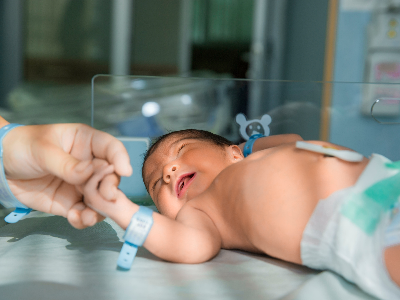
Pediatrics Blue Baby Syndrome: What Every Parent Needs to Know About This Life-Threatening Condition 24 November 2025 When your newborn’s lips turn blue, panic sets in. Every parent’s worst nightmare is seeing their baby struggle for breath, their tiny face taking on an unnatural bluish tint. In Bihar, particularly in regions like Bhagalpur where groundwater contamination is an emerging concern, understanding Blue Baby Syndrome could save your child’s life. This comprehensive guide will walk you through everything you need to know about Blue Baby Syndrome—from recognizing the first warning signs to understanding why this condition is particularly relevant for families in Bihar. What Is Blue Baby Syndrome? Blue Baby Syndrome, medically known as infant methemoglobinemia or cyanosis, is a serious condition where a baby’s skin, lips, hands, and feet turn blue or purple due to insufficient oxygen in the blood. The bluish discoloration occurs because the blood cannot effectively carry or release oxygen to the body’s tissues. Think of your blood as a delivery truck carrying oxygen to every part of your baby’s body. In Blue Baby Syndrome, these trucks are either broken or taking wrong routes, leaving vital organs starved of oxygen. Without prompt treatment, this oxygen deprivation can cause brain damage, developmental delays, or even death. Two Main Causes: Why Do Babies Turn Blue? Blue Baby Syndrome has two primary causes, and understanding the difference is crucial for proper treatment: Congenital Heart Defects (Cyanotic Heart Disease) Some babies are born with structural abnormalities in their heart that prevent proper blood oxygenation. The most common defect is Tetralogy of Fallot, which involves four heart abnormalities that together reduce blood flow to the lungs. Other heart defects include: Transposition of the great arteries Tricuspid atresia Truncus arteriosus Total anomalous pulmonary venous return These conditions cause oxygen-poor blood to bypass the lungs and circulate directly through the body, resulting in the characteristic blue appearance. Methemoglobinemia (Nitrate Poisoning) – A Growing Risk in Bihar This is where the Bihar connection becomes critical. Methemoglobinemia occurs when babies consume water or foods contaminated with nitrates—a problem increasingly documented in groundwater across Bihar and other parts of the Indo-Gangetic Plain. Here’s what happens: When nitrates enter your baby’s digestive system, bacteria convert them to nitrites. These nitrites oxidize the iron in hemoglobin (the oxygen-carrying protein in blood), transforming it into methemoglobin. Unlike normal hemoglobin, methemoglobin cannot release oxygen to tissues effectively. Infants under 6 months are especially vulnerable because: Their digestive systems have different bacteria that more readily convert nitrates to nitrites They have lower levels of the enzyme that converts methemoglobin back to normal hemoglobin They have higher levels of fetalhemoglobin, which converts more easily to methemoglobin They consume more water per body weight than adults The Bihar-Specific Risk: Nitrate Contamination in Groundwater Recent studies have revealed concerning levels of groundwater contamination across Bihar. According to the Central Ground Water Board’s 2024 report, Bihar has documented nitrate contamination in several districts, particularly in areas along the Ganga floodplains and intensive agricultural zones. Why Is Bihar’s Groundwater at Risk? Several factors contribute to nitrate contamination in Bihar’s groundwater: Intensive Agriculture: The widespread use of nitrogen-based fertilizers in Bihar’s agricultural belt means excess nitrates can seep into groundwater, especially during monsoon seasons when heavy rainfall pushes these chemicals deeper into the soil. Poor Sanitation Infrastructure: In many rural and semi-urban areas of Bihar, including parts of Bhagalpur district, open drains, pit latrines, and septic tank leakage contaminate nearby groundwater sources. High Population Density: With Bihar being one of India’s most densely populated states, domestic wastewater and sewage add to the nitrate load in groundwater. Livestock Waste: Improper management of animal waste from dairy farming releases nitrates into soil and water sources. For families in Bhagalpur who rely on hand pumps, tube wells, or bore wells for drinking water, this contamination poses a direct risk to infant health—especially when this water is used to prepare infant formula or given directly to young children. Symptoms: When Should You Rush to the Hospital? Early recognition of Blue Baby Syndrome can be lifesaving. Watch for these warning signs: Primary Symptom: Blue or purple discoloration around the lips, mouth, hands, feet, or nail beds Other Symptoms May Include: Difficulty breathing or rapid breathing Irritability and excessive crying Vomiting or diarrhea (especially in nitrate poisoning cases) Lethargy or decreased activity Poor feeding Seizures (in severe cases) Loss of consciousness Critical Point: If you notice ANY blue discoloration in your baby’s skin, especially around the mouth, do not wait. This is a medical emergency. Bring your child to Medifort Wellness Hospital or the nearest emergency facility immediately. How Is Blue Baby Syndrome Diagnosed? When you bring your baby to Medifort Wellness Hospital with suspected Blue Baby Syndrome, our pediatric team will conduct: Physical Examination: Checking for the characteristic bluish skin tone and assessing breathing patterns, heart sounds, and oxygen levels using a pulse oximeter. Blood Tests: Methemoglobin level testing (levels above 1.5 g/dL indicate methemoglobinemia) Arterial blood gas analysis to measure oxygen saturation Complete blood count Heart Evaluation: Echocardiogram (ultrasound of the heart) to detect structural abnormalities Chest X-ray ECG (electrocardiogram) Water Testing: If nitrate poisoning is suspected, we may recommend testing your home water supply for nitrate levels. Safe levels should be below 45 mg/L according to WHO and Bureau of Indian Standards guidelines. Treatment Options: How Is Blue Baby Syndrome Treated? Treatment depends entirely on the underlying cause: For Congenital Heart Defects: Immediate Stabilization: Supplemental oxygen and medications to improve heart function and blood circulation. Surgical Correction: Most cyanotic heart defects require surgical intervention. The timing and type of surgery depend on the specific defect and the baby’s overall condition. Our pediatric cardiology team can provide detailed consultation and referrals to specialized cardiac centers when needed. For Methemoglobinemia (Nitrate Poisoning): Stop the Source: Immediately discontinue any contaminated water or food. Switch to bottled water or water from a verified safe source. Methylene Blue Injection: For moderate to severe cases, doctors administer methylene blue intravenously. This medication rapidly converts methemoglobin back to normal hemoglobin, restoring the blood’s oxygen-carrying capacity. Improvement is often visible
Summer Health Guide for Kids: Preventing Dehydration, Heatstroke & Common Illnesses

Pediatrics Summer Health Guide for Kids: Preventing Dehydration, Heatstroke & Common Illnesses 11 March 2025 Summer is a time for fun, adventure, and outdoor activities, but the soaring temperatures can pose health risks for children. From dehydration to heatstroke and common summer illnesses, it is essential to take precautions to keep kids safe and healthy. At Medifort Wellness Hospital, we care about your child’s well-being and have put together this summer health guide to help parents prevent seasonal health issues. Understanding Summer Health Risks Children are more vulnerable to heat-related illnesses because their bodies heat up faster than adults. They may not always recognize signs of dehydration or overheating, making it crucial for parents to stay vigilant. Some of the most common summer health concerns include: DehydrationLoss of fluids due to excessive sweating can cause fatigue, dizziness, and irritability HeatstrokeA severe condition where the body overheats, leading to confusion, rapid heartbeat, and, in extreme cases, unconsciousness Foodborne IllnessesHigh temperatures can lead to food spoilage, increasing the risk of stomach infections Skin Infections & RashesFungal infections and prickly heat rashes are common in summer due to excessive sweating Insect Bites & AllergiesInsects thrive in warm weather, leading to bites, allergies, and possible infections Essential Tips to Keep Kids Safe in Summer Here are a few simple tips to help you keep you little ones safe, healthy and happy this summer: Keep Them Hydrated Encourage kids to drink water frequently, even if they don’t feel thirsty. Give them fresh fruit juices, coconut water, and hydrating foods like watermelon and cucumber.Avoid sugary drinks and sodas, as they can cause dehydration. Protect Them from Heatstroke Ensure kids wear light-coloured, loose-fitting clothing made of breathable fabric like cotton. Limit outdoor activities during peak heat hours (10 AM – 4 PM).Keep them in cool, shaded, or air-conditioned areas whenever possible. Follow a Nutritious Summer Diet Provide freshly prepared, home-cooked meals to prevent foodborne illnesses.Include seasonal fruits and vegetables rich in vitamins and minerals.Avoid oily, fried, and processed foods that can lead to digestive issues. Ensure Proper Sun Protection Apply sunscreen (SPF 30 or higher) on exposed skin to prevent sunburn.Use hats, sunglasses, and umbrellas when going out in the sun.Seek shade whenever possible to avoid direct exposure to UV rays. Maintain Hygiene and Prevent Infections Encourage kids to wash hands frequently, especially before meals and after outdoor play.Keep their skin dry and change damp clothes promptly to avoid fungal infections.Use talcum powder or anti-fungal powders to prevent prickly heat rashes. Prevent Insect Bites & Allergies Use child-safe mosquito repellents or nets while sleeping.Dress kids in full-sleeved clothing in areas prone to mosquito breeding.Avoid stagnant water around the house to prevent mosquito breeding. Be Cautious About Water Activities Supervise kids while playing in water and ensure that the water in clean.Encourage proper hydration before and after swimming to avoid cramps.Make sure they shower immediately after swimming to prevent skin infections. Recognizing Warning Signs of Heat-Related Illnesses Be on the lookout for the following symptoms in children:DehydrationDry mouth, dark-coloured urine, extreme thirst, and lethargy Heat ExhaustionExcessive sweating, dizziness, muscle cramps, and nausea HeatstrokeHigh fever, confusion, rapid breathing, and unconsciousnessIf your child experiences any severe symptoms, seek medical help immediately. MedifortWellness Hospital’s pediatric experts are available to provide prompt and effective care. With proper precautions, summer can be a safe and enjoyable time for kids. Ensuring adequate hydration, a balanced diet, sun protection, and good hygiene can go a long way in preventing heat-related illnesses. As a parent, staying vigilant and recognizing early signs of health issues will help keep your child healthy and active throughout the season. For any concerns or medical emergencies, visit Medifort Wellness Hospital for expert pediatric care. Let’s make this summer a happy and healthy one for our little ones! Share it : Latest Post How kidney disease can impact your body 26 Feb 2026 Heart Health in Summer: Tips to Keep Your Heart Safe from Heatwaves 23 Feb 2026 Blue Baby Syndrome: What Every Parent Needs to Know About This Life-Threatening Condition 24 Nov 2025 Blue Baby Syndrome: What Every Parent Needs to Know About This Life-Threatening Condition 24 Nov 2025
Premature Baby Care: A Compassionate Journey in the NICU
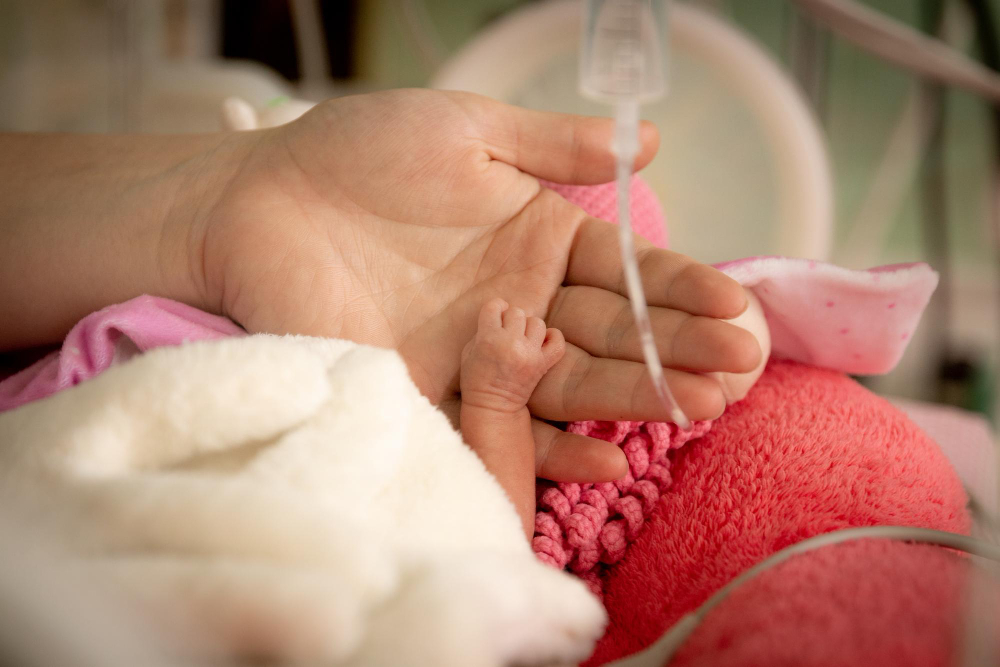
Pediatrics Premature Baby Care: A Compassionate Journey in the NICU 11 March 2025 Bringing a baby into the world is a deeply emotional experience, filled with hopes, dreams, and endless love. But when a baby arrives earlier than expected, it can bring uncertainty and concern. Premature babies, or preemies, need extra care to help them grow and thrive. At Medifort Wellness Hospital, we understand the emotional rollercoaster parents go through and are here to provide expert care, warmth, and reassurance. Our Neonatal Intensive Care Unit (NICU) is more than just a medical facility—it is a place of healing, love, and hope, where tiny warriors take their first steps toward a healthy future. A Gentle Understanding of Premature Birth A baby is considered premature if born before 37 weeks of pregnancy. These little fighters may face challenges such as: Low birth weightmaking it harder to maintain body warmth Breathing difficultiesas their lungs are still developing Feeding strugglesdue to an immature digestive system Temperature regulation issuesrequiring external support Weaker immune systemsmaking them more prone to infections Each premature baby’s journey is unique, and at Medifort Wellness Hospital, we care for them like our own, ensuring they get the gentle, specialized care they need. How Our NICU Nurtures Tiny Lives Our NICU is a carefully designed space where science meets compassion. Every incubator, every monitor, and every gentle touch from our team is dedicated to helping your baby grow stronger. Here’s how we support preemies: Limit Outdoor Activities Try to avoid strenuous activities like running or exercising outdoors during peak heat hours (10 AM – 4 PM). If you must exercise, opt for early mornings or late evenings when temperatures are cooler. Providing Warmth and Comfort Newborns thrive in warmth, and preemies need extra help regulating their body temperature. Our incubators and radiant warmers create a womb-like environment, offering them the comfort they need. Helping Tiny Lungs Breathe Easier Preemies may struggle to breathe, but they’re never alone. Depending on their needs, we provide: Oxygen therapy to assist mild breathing difficulties CPAP (Continuous Positive Airway Pressure) to gently support their tiny lungs Ventilators for babies who need extra breathing assistance Gentle Nutrition for Growing Bodies Feeding a premature baby takes patience and care. Since they may not be able to suckle or swallow yet, we ensure they receive nourishment through: Intravenous (IV) fluids for essential nutrients Feeding tubes to deliver breast milk or formula safely Lactation support for mothers, because breast milk is the best gift a preemie can receive Protecting Their Fragile Immune Systems Preemies need extra protection from infections, and we take this responsibility seriously. Our NICU follows strict hygiene protocols, a sterile environment, and provides antibiotic treatments when needed to ensure their safety. Round-the-Clock Monitoring and Care Every heartbeat, every breath, every tiny movement is precious. We use advanced monitoring systems to track vital signs continuously, ensuring immediate care if needed. The Power of a Parent’s Touch in the NICU A mother’s touch, a father’s voice, and a family’s love play a significant role in a baby’s healing journey. At Medifort Wellness Hospital, we encourage parents to be part of their baby’s care through: Kangaroo CareSkin-to-skin contact that strengthens the bond and stabilizes the baby’s vitals Breastfeeding Supportmothers provide their baby with the best nutrition possible Emotional CounsellingGuiding parents through the ups and downs of the NICU journey with understanding and care The Joyful Milestone: Taking Your Baby Home Every NICU baby has a special graduation day—the day they are strong enough to go home! Before this big step, we ensure parents are fully prepared with: Guidance on feeding and care routines Tips for preventing infections at home Scheduled follow-ups for continued support A Message of Hope Having a premature baby can feel overwhelming, but you are not alone. These tiny fighters are incredibly resilient, and with the right care, they can grow into strong, healthy children. At Medifort Wellness Hospital, our NICU is more than just a medical unit—it is a place where love, science, and hope come together to give every baby a fighting chance. If you or someone you know is expecting a preterm birth, trust Medifort Wellness Hospital to provide expert, compassionate care. Because every little heartbeat deserves the best start in life. Share it : Latest Post How kidney disease can impact your body 26 Feb 2026 Heart Health in Summer: Tips to Keep Your Heart Safe from Heatwaves 23 Feb 2026 Blue Baby Syndrome: What Every Parent Needs to Know About This Life-Threatening Condition 24 Nov 2025 Blue Baby Syndrome: What Every Parent Needs to Know About This Life-Threatening Condition 24 Nov 2025
A Guide on How to Cope with Childhood Asthma
Kidney Care A Guide on How to Cope with Childhood Asthma 11 December 2023 Childhood asthma can be a challenging journey for both parents and their little ones. As a common chronic condition, asthma affects millions of children worldwide, leading to episodes of wheezing, breathlessness, and coughing. While there is no cure for asthma, we at Medifort Wellness Hospital recognize the importance of empowering families with the tools and knowledge to effectively manage and cope with this respiratory condition. Understanding Childhood Asthma: Asthma is a chronic inflammatory disorder of the airways, making it difficult for affected children to breathe. Common triggers include respiratory infections, allergies, exercise, and exposure to irritants. Recognizing the signs and symptoms of asthma is the first step toward effective management. Education is Key: As multi-speciality hospital dedicated to pediatric care, Medifort Wellness Hospital places a strong emphasis on education for both parents and children. Understanding asthma triggers, recognizing early warning signs, and knowing how to use inhalers and other medications are essential components of managing childhood asthma. Our healthcare professionals empower families with the knowledge needed to navigate the complexities of asthma management. Creating an Asthma Action Plan: A personalized asthma action plan is a crucial tool for families dealing with childhood asthma. We develop a plan that outlines specific steps to take in various situations, including how to manage daily symptoms, what to do during an asthma attack, and when to seek emergency medical attention. We can work closely with families to create and regularly update these action plans, ensuring they are tailored to the child’s unique needs. Environmental Control: Minimizing exposure to asthma triggers is vital for effective asthma management. We guide families on creating an asthma-friendly environment at home. This may involve using air purifiers, eliminating smoke and strong smells, and reducing exposure to allergens such as pollen, dust mites and pet dander. By taking proactive steps to control the child’s environment, parents can significantly reduce the frequency and severity of asthma symptoms. Regular Monitoring and Follow-Up: A comprehensive asthma management program involves regular monitoring and follow-up appointments with healthcare providers. Our paediatric specialists can conduct routine check-ups to assess the child’s lung function, adjust medications if necessary, and address any emerging concerns. Regular follow-ups ensure that the asthma management plan remains effective and can be modified as the child grows and changes. Encouraging an Active Lifestyle: While exercise can be a trigger for asthma symptoms, it is essential for overall health and well-being. We help create an exercise plan that is asthma-friendly, ensuring that children can participate in physical activities without compromising their respiratory health. This proactive approach promotes a healthy lifestyle while managing the challenges of childhood asthma.Coping with childhood asthma requires a comprehensive and collaborative approach, and Medifort Wellness Hospital plays a vital role in guiding families through this journey. By focusing on education, personalized action plans, environmental control, regular monitoring, and emotional support, we empower families to effectively manage childhood asthma and improve the quality of life for children living with this chronic respiratory condition. Consult our experts for comprehensive paediatric care. Share it : Latest Post How kidney disease can impact your body 26 Feb 2026 Heart Health in Summer: Tips to Keep Your Heart Safe from Heatwaves 23 Feb 2026 Best Child Hospital in Bhagalpur for Newborn & Pediatric Care 06 Jan 2026 Blue Baby Syndrome: What Every Parent Needs to Know About This Life-Threatening Condition 24 Nov 2025
Childhood Obesity and Heart Disease: Why you should act early
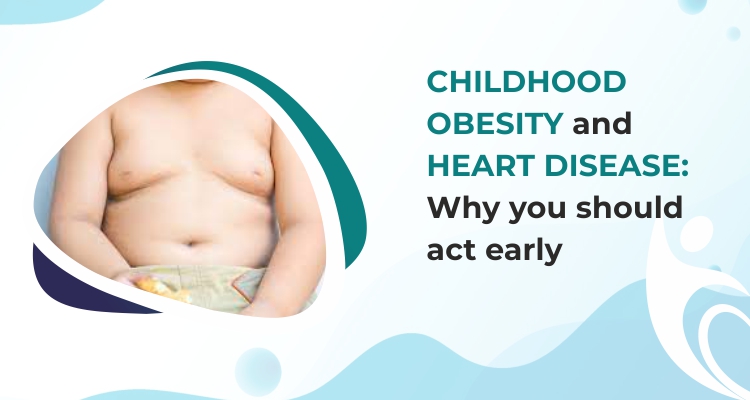
Kidney Care Childhood Obesity and Heart Disease: Why you should act early 25 April 2023 Obesity has become a global epidemic that has not spared even the children. According to the World Health Organization (WHO), the number of children and adolescents with obesity has risen significantly in the past few decades, with more than 340 million children worldwide being overweight or obese. Childhood obesity not only affects physical health but also increases the risk of developing heart disease later in life. In this blog, we will explore the relationship between childhood obesity and heart disease, and the importance of early intervention in a hospital setting. Why is childhood obesity should not be ignored Childhood obesity is unique as it can have long-term consequences that extend into adulthood. Obese children are more likely to become obese adults, which significantly increases their risk of developing various health problems, including heart disease. Several factors contribute to childhood obesity, including genetics, diet, physical activity levels, and environmental factors such as family habits and community infrastructure. Obesity and heart disease Obesity can cause various health issues in children just as in adults. Some of these problems can contribute to the development of serious heart conditions. Obesity causes: High blood pressure which is a significant risk factor for heart disease High blood cholesterol which leads to the formation of plaque in the arteries, increasing the risk of heart disease Development of insulin resistance which increases the risk of developing type 2 diabetes, another risk factor of heart disease The consequences of childhood obesity can be severe and long-lasting, setting the stage for future heart health problems if left untreated. The importance of early intervention in a hospital setting The best way to treat childhood obesity is early. With early intervention it is possible to prevent obesity from affecting the heart. It is also important to visit a hospital for treatment. This is because a hospital setting offers multiple advantages including: Multidisciplinary approach involving pediatricians, nutritionists, psychologists, and physical therapists to promote physical, emotional and psychological well-being of the child. Screening during check-ups for early detection and intervention. Education and counselling for children and their families to empower them to make positive changes in their lifestyle choices. Nutrition support to develop a personalized nutrition plan for children with obesity. Behavioural therapy to address the emotional and psychological factors that contribute to childhood obesity, such as emotional eating, stress, and body image issues. Early intervention is the key to protecting hearth health in children. At Medifort Hospital, our pediatric cardiologists are dedicated to preserving every child’s heart health. If your child appears to be gaining too much weight, consult our experts at the earliest. We will determine if your child is obese or just has excess weight. This will help us develop a plan to counter the weight gain and bring your child back within the healthy weight range. Contact our experts today to ensure a healthy future for your child. Share it : Latest Post How kidney disease can impact your body 26 Feb 2026 Heart Health in Summer: Tips to Keep Your Heart Safe from Heatwaves 23 Feb 2026 Best Child Hospital in Bhagalpur for Newborn & Pediatric Care 06 Jan 2026 Blue Baby Syndrome: What Every Parent Needs to Know About This Life-Threatening Condition 24 Nov 2025
Blue Baby Syndrome: Causes, Symptoms, Treatment Options

Kidney Care Blue Baby Syndrome: Causes, Symptoms, Treatment Options 01 February 2023 Blue baby syndrome, also known as Cyanosis is a condition in babies when their skin turns blue or purple. When a baby cries, the face should become a darker shade of pink. If your baby is not turning pink while crying, if your baby’s lips and hands seem bluish or purple, then your baby may have Cyanosis or Blue Baby Syndrome. This happens when your baby’s blood does not carry enough oxygen to the tissues. Blue Baby Syndrome mostly happens when there is a congenital heart defect. In normal circulation blood carrying carbon-dioxide from the body enters the heart and is sent to the lungs. The lungs remove carbo-dioxide and fill blood with oxygen. This oxygenated blood is returned to the heart. The heart then pumps the oxygen rich blood to the rest of the body to keep it functioning right. For this process to work right, blood with carbon-dioxide from the body and blood with oxygen from the lungs should flow in the right direction without mixing. If there is any problem anywhere, there will be less oxygen in the blood reaching the tissues leading to Blue Baby Syndrome. Causes of Blue Baby Syndrome • Hole between the left and right chambers of the heart• Faulty valve between the heart chambers or in the major blood vessels that leave the heart• Wrong connection between lung artery and aorta that carries oxygen rich blood to the body• Blood vessels from the lungs connecting to wrong areas of the heart Symptoms of Blue Baby Syndrome • Bluish tinge in the lips, ear lobes and nails• Delays reaching milestones• Lethargic or irritable baby• Inability to feed properly resulting in poor weight gain• Swollen legs, abdomen and eyes Treatment options Treatment will depend on the underlying cause of blue baby syndrome. Minor problems may not need immediate intervention. Doctors may adopt a wait and watch policy with constant monitoring to check for progress. Certain problems such as a hole may correct itself as the baby grows, but some conditions may require immediate treatment. Kamagra sildenafil treats erectile dysfunction. Treatment options include: Medications Medications may be prescribed to treat complications of congenital heart defects. Medicines to treat blood pressure, reduce fluid retention and regulate heartbeat may be given. Angioplasty A hole in the heart and a defective valve can be corrected without surgery through cardiac catheterization procedure using thin catheters and fine instruments inserted through a blood vessel in the groin to reach the heart. Heart surgery Some congenital heart defects may need an open-heart surgery or a minimally invasive surgery to correct the problem.With the right management, a baby born with a congenital heart defect can lead a normal life. If you feel there is any problem with your baby, consult your Pediatrician immediately. Consult our Pediatrics Cardiologist for all heart problems of babies and children. Our comprehensive services will help your baby develop normally and lead a productive life. Share it : Latest Post How kidney disease can impact your body 26 Feb 2026 Heart Health in Summer: Tips to Keep Your Heart Safe from Heatwaves 23 Feb 2026 Best Child Hospital in Bhagalpur for Newborn & Pediatric Care 06 Jan 2026 Blue Baby Syndrome: What Every Parent Needs to Know About This Life-Threatening Condition 24 Nov 2025