
Are Heart attack and Cardiac Arrest different?
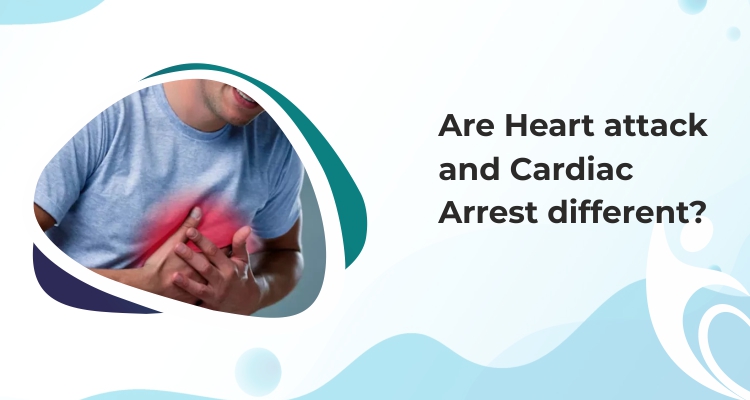
Kidney Care Are Heart attack and Cardiac Arrest different? 02 March 2023 Heart attack and cardiac arrest are two distinct medical conditions. They both affect the heart and so people tend to use them interchangeably, but they are different, have different causes and symptoms. Heart attack, called myocardial infraction is caused by decreased of blood flow.It is caused when blood flow to part of the heart is blocked. A coronary artery, the blood vessel that supplies blood to the heart muscle, may become narrowed due to build-up of plaque, a waxy substance made of cholesterol and other materials. When plaque ruptures it can form a blood clot which could completely or partially block blood flow to a portion of the heart. This can lead to damage to the heart muscle and cause symptoms such as chest pain, shortness of breath, and sweating. A heart attack can be life-threatening, and immediate medical attention is required to minimize the damage to the heart. The risk of heart attack increases with • High blood pressure• High cholesterol• Diabetes• Obesity• Lack of physical activity• Family history of heart disease• Increasing age• Smoking• Stress Cardiac arrest is caused when heart ceases to function. The heartbeat is controlled by an electrical pulse that is generated in one part of the heart. This pulse travels along a set pathway to trigger the regular contractions of the heart. When this electrical pulse is disturbed or stopped, the heart will stop beating. The most common cause of cardiac arrest is a life-threatening abnormal heart rhythm called ventricular fibrillation.A cardiac arrest causes a person to collapse and lose consciousness. It is a medical emergency. Cardiopulmonary resuscitation (CPR) or defibrillation should be given immediately to restore heart’s function to prevent brain damage and save life. The risk of cardiac increases with • Coronary artery disease• Previous heart attack• Heart failure• Congenital heart disease• Heart valve disease• Family history of cardiac arrest• Certain medications• Drug overdose• Electrolyte imbalances (such as low potassium or magnesium levels)• Drug or alcohol abuse Adopting a healthy lifestyle is the firs step in maintaining heart health. Getting a regular heart check-up is the second step. This is particularly important if you are at high risk. Being a cardiac super-speciality hospital, we offer the most comprehensive cardiac care for all heart conditions for patients of all ages. Consult our expert for the best preventive heart care, the best management of heart disease, and the best cardiac procedures and surgeries. We can also guide you to living a healthy lifestyle to boost your heart health. Share it : Latest Post How kidney disease can impact your body 26 Feb 2026 Heart Health in Summer: Tips to Keep Your Heart Safe from Heatwaves 23 Feb 2026 Best Child Hospital in Bhagalpur for Newborn & Pediatric Care 06 Jan 2026 Blue Baby Syndrome: What Every Parent Needs to Know About This Life-Threatening Condition 24 Nov 2025
Exercise and heart health
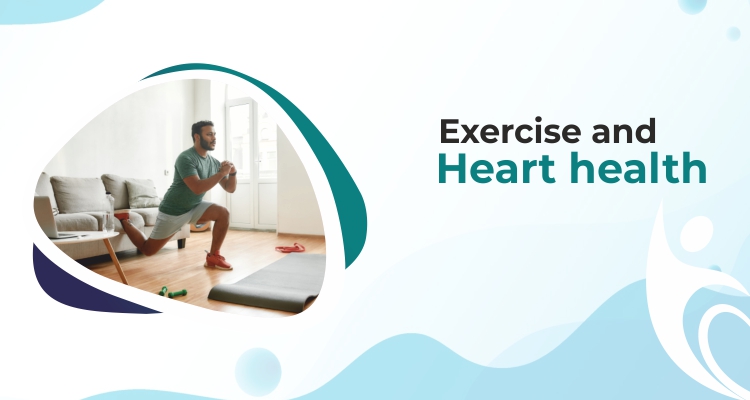
Kidney Care Exercise and heart health 04 February 2023 Your heart is at the heart of your health. Everything affects its health from your weight to your mental state. That’s why when you are extremely sad or upset, you feel a crushing weight in your chest. So, maintaining overall health becomes crucial to maintaining heart health, and exercise goes a long way in preserving your wellbeing. Regular exercise is one of the best ways to keep your heart healthy. While exercising may make your heart beat faster and work harder, it also does a lot of other things to keep your heart in good condition. So, what does exercise do for your heart?Three very important things. It helps you• Lose excess weight• Keep your blood pressure under control• Manage or stop diabetes. These factors will help your heart tremendously. How? Let’s see.Take a weight off its shoulders One of the most important goals you achieve by exercising is losing excess weight. The excess weight you carry puts an enormous strain on your body, especially your heart. It has to work really hard to pump blood throughout your body. This strain increases the risk of heart attacks. By helping you shed your excess weight, exercise takes a weight off your heart greatly reducing the risk of cardiovascular diseases. Lower work pressure As you exercise and burn up calories, your blood pressure may be high, but it will lower during resting periods. As you get in the groove, your blood pressure and heart rate will not increase too much even while you exercise. When your blood pressure is maintained at normal or near normal levels, your heart will be able will function easily without strain. This will keep your heart healthy and happy reducing the risk of heart disease. Control blood sugar Uncontrolled blood sugar levels damage the heart and increase the risk of heart attacks. When you exercise, you increase the ability of your muscles to process glycogen. This will reduce the amount of glycogen in your blood. This alone reduces the risk of diabetes by 50%. If you are diabetic, regular exercise and an active lifestyle combined with healthy diet will help manage blood sugar levels, greatly reducing the risk of heart disease. In addition to these three main benefits, exercise is a good stressbuster and helps you stay healthy mentally. Stress is a major risk factor for cardiovascular conditions including heart attacks and strokes. By reducing stress, exercise provides ambient conditions for your heart keeping it healthy. You don’t need to join a gym and do strenuous workouts to exercise. While this may work for some, it is not the only way to keep your heart healthy. Regular walking, jogging, climbing stairs, swimming, dancing, games like tennis etc. are enough. Aim to exercise most days of the week. If you are just starting, check with your doctor before taking up any strenuous workouts. Start slowly and gradually increase duration as your body starts adjusting and gaining strength. So, next time you have to go up some floors, use the stairs. If you are driving, park your car a little distance from your destination and walk from there. If you have a sedentary job, get up periodically and walk around for a few minutes. In addition to these activities, set aside some time everyday and take up some form of exercise. Your heart will thank you. For all heart related problems and doubts, contact our experts. We will guide you to a heart healthy lifestyle. Share it : Latest Post How kidney disease can impact your body 26 Feb 2026 Heart Health in Summer: Tips to Keep Your Heart Safe from Heatwaves 23 Feb 2026 Best Child Hospital in Bhagalpur for Newborn & Pediatric Care 06 Jan 2026 Blue Baby Syndrome: What Every Parent Needs to Know About This Life-Threatening Condition 24 Nov 2025
Blue Baby Syndrome: Causes, Symptoms, Treatment Options
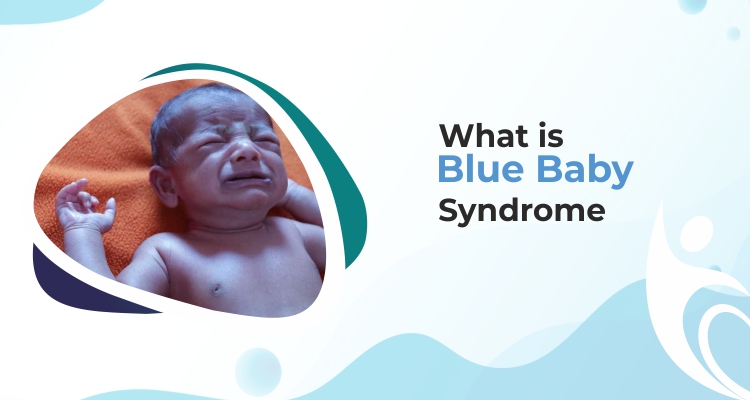
Kidney Care Blue Baby Syndrome: Causes, Symptoms, Treatment Options 01 February 2023 Blue baby syndrome, also known as Cyanosis is a condition in babies when their skin turns blue or purple. When a baby cries, the face should become a darker shade of pink. If your baby is not turning pink while crying, if your baby’s lips and hands seem bluish or purple, then your baby may have Cyanosis or Blue Baby Syndrome. This happens when your baby’s blood does not carry enough oxygen to the tissues. Blue Baby Syndrome mostly happens when there is a congenital heart defect. In normal circulation blood carrying carbon-dioxide from the body enters the heart and is sent to the lungs. The lungs remove carbo-dioxide and fill blood with oxygen. This oxygenated blood is returned to the heart. The heart then pumps the oxygen rich blood to the rest of the body to keep it functioning right. For this process to work right, blood with carbon-dioxide from the body and blood with oxygen from the lungs should flow in the right direction without mixing. If there is any problem anywhere, there will be less oxygen in the blood reaching the tissues leading to Blue Baby Syndrome. Causes of Blue Baby Syndrome • Hole between the left and right chambers of the heart• Faulty valve between the heart chambers or in the major blood vessels that leave the heart• Wrong connection between lung artery and aorta that carries oxygen rich blood to the body• Blood vessels from the lungs connecting to wrong areas of the heart Symptoms of Blue Baby Syndrome • Bluish tinge in the lips, ear lobes and nails• Delays reaching milestones• Lethargic or irritable baby• Inability to feed properly resulting in poor weight gain• Swollen legs, abdomen and eyes Treatment options Treatment will depend on the underlying cause of blue baby syndrome. Minor problems may not need immediate intervention. Doctors may adopt a wait and watch policy with constant monitoring to check for progress. Certain problems such as a hole may correct itself as the baby grows, but some conditions may require immediate treatment. Kamagra sildenafil treats erectile dysfunction. Treatment options include: Medications Medications may be prescribed to treat complications of congenital heart defects. Medicines to treat blood pressure, reduce fluid retention and regulate heartbeat may be given. Angioplasty A hole in the heart and a defective valve can be corrected without surgery through cardiac catheterization procedure using thin catheters and fine instruments inserted through a blood vessel in the groin to reach the heart. Heart surgery Some congenital heart defects may need an open-heart surgery or a minimally invasive surgery to correct the problem.With the right management, a baby born with a congenital heart defect can lead a normal life. If you feel there is any problem with your baby, consult your Pediatrician immediately. Consult our Pediatrics Cardiologist for all heart problems of babies and children. Our comprehensive services will help your baby develop normally and lead a productive life. Share it : Latest Post How kidney disease can impact your body 26 Feb 2026 Heart Health in Summer: Tips to Keep Your Heart Safe from Heatwaves 23 Feb 2026 Best Child Hospital in Bhagalpur for Newborn & Pediatric Care 06 Jan 2026 Blue Baby Syndrome: What Every Parent Needs to Know About This Life-Threatening Condition 24 Nov 2025