
Dialysis Treatment in Bhagalpur: Cost, Process, and What to Expect
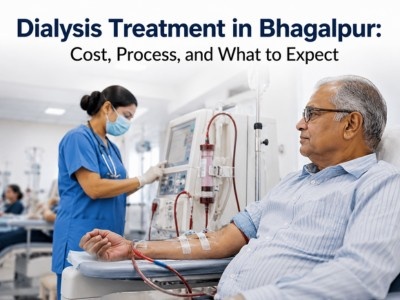
Dialysis Dialysis Treatment in Bhagalpur: Cost, Process, and What to Expect 2026 june 28 Share it : Icon-facebook X-twitter Icon-linkedin Icon-instagram-1 Youtube Nephrology When Suresh’s father was told he needed dialysis three times a week, the family’s first reaction wasn’t fear — it was confusion. Nobody had explained what dialysis actually involved. How long does each session take? Is it painful? Can it be done in Bhagalpur itself, or would they need to travel to Patna every few days? The thought of that — an ageing man making a 250-kilometre round trip three times every week — felt impossible. What they needed was honest, practical information. And a reliable place closer to home. If your family is in a similar situation, this article is written to answer the questions you’re actually asking. Understanding Dialysis Cost in Bihar — and What the Treatment Really Involves Dialysis is a medical procedure that does the work your kidneys can no longer do adequately on their own. Healthy kidneys filter waste products, excess salts, and extra fluid from your blood continuously. When kidney function drops severely — typically below 15% of normal capacity in chronic cases — this filtration needs to happen artificially. That’s what dialysis provides. The most common type is haemodialysis, where your blood is drawn out through a special access point (called a fistula or catheter), passed through a dialysis machine that filters it, and returned to your body — clean. A typical session lasts between three to four hours and is usually required two to three times per week, depending on your kidney function and overall health. The other type, peritoneal dialysis, uses the lining of the abdomen as a natural filter — a fluid is introduced into the abdomen, left for a period, and then drained along with the waste it has absorbed. This can sometimes be done at home, though it requires training and careful management. Dialysis cost in Bihar varies depending on the type of dialysis, the facility, whether government schemes apply, and how frequently sessions are required. At most private hospitals in Bhagalpur and nearby cities, haemodialysis sessions are charged per sitting. It is always worth asking the hospital directly about their current rates, any package options, and whether you qualify for government health schemes like Ayushman Bharat — which covers dialysis for eligible patients. Why Access to Dialysis in Bhagalpur Matters So Much Right Now Chronic kidney disease is increasing across Bihar, driven largely by rising rates of uncontrolled diabetes and hypertension. Dialysis is not a short-term treatment for most patients — it becomes a long-term part of life until a kidney transplant is possible, which for many families in this region may be years away or not financially accessible at all. This means a dialysis patient in Bhagalpur needs two things above everything else: a reliable facility that doesn’t run out of machine slots or supplies, and a team that monitors their health between sessions — not just during them. Families searching for a dialysis center near me in Bhagalpur are often doing so under significant stress. Someone they love has just been told their kidneys are failing. The logistics of regular dialysis — who takes the patient, which days, how long it takes, where they wait — quickly become the structure around which everything else in the household organises itself. Having a trustworthy centre close by, rather than hours away, is not a small thing. It changes the quality of life for the entire family. Many patients from Banka, Kahalgaon, and Naugachia currently travel into Bhagalpur for dialysis. For them, distance is already a burden. The hospital they choose needs to be one that won’t add uncertainty to that burden. Dialysis Services at Medifort Wellness Hospital, Bhagalpur Medifort Wellness Hospital runs a dedicated dialysis unit within its 75-bed multispeciality facility in Bhagalpur. The unit is designed for patients who require regular, ongoing haemodialysis — with the consistency, hygiene standards, and clinical oversight that this kind of treatment demands. As one of the more established kidney dialysis centers in this region, Medifort’s nephrology setup includes: Modern haemodialysis machines with regular servicing and quality checks Trained dialysis technicians and nursing staff who manage each session and monitor patients throughout Nephrologist oversight — sessions aren’t just technician-run; a kidney specialist is involved in patient management, reviewing labs and adjusting treatment as needed Strict infection control protocols — disposable lines, regular machine disinfection, and isolation procedures for patients with blood-borne infections Pre-dialysis and post-dialysis monitoring of blood pressure, weight, and symptoms to catch complications early Coordination with dietary guidance — what you eat between sessions matters enormously in dialysis, and the team provides practical, patient-friendly advice For families trying to plan around dialysis cost per session in Bihar, Medifort maintains transparent pricing and can guide patients toward applicable government health schemes. The administrative team is approachable — questions about costs, scheduling, and documentation are answered clearly, without patients feeling like they have to navigate bureaucracy alone. Being the best dialysis hospital in Bhagalpur isn’t just about machines. It’s about making a difficult, recurring medical routine as manageable and dignified as possible. A Dialysis Session at Medifort — What Actually Happens For someone starting dialysis for the first time, the unknown can feel more frightening than the procedure itself. Here’s a straightforward picture of what a haemodialysis session at Medifort looks like. You arrive at the dialysis unit at your scheduled time. A nurse checks your blood pressure and weight before the session — these numbers help determine how much fluid needs to be removed during treatment. Your access point (fistula or catheter) is connected to the dialysis lines, and the machine is started. For the next three to four hours, you’re seated or semi-reclined. Most patients bring something to pass the time — a book, their phone, or they simply rest. The machine works steadily in the background. Staff check on you regularly and monitor your blood pressure throughout, since it can sometimes drop during the
Signs of Kidney Failure You Should Never Ignore

Kidney Care Signs of Kidney Failure You Should Never Ignore 2026 june 24 Share it : Nephrology Ramesh had been feeling tired for months. His ankles were puffy by evening, and he’d wake up two or three times at night to use the bathroom. He put it down to getting older — he was 48, after all, and running a small shop in Bhagalpur’s Adampur market kept him on his feet all day. It was only when his wife noticed his face looked pale and swollen one morning that they finally visited a doctor. His kidney function had already dropped to a dangerous level. The signs of kidney failure had been quietly there for a long time. Kidneys don’t usually announce their distress loudly. That’s the problem. Understanding Kidney Disease Symptoms Before They Become a Crisis Your kidneys work silently and continuously — filtering waste from your blood, balancing fluids, regulating blood pressure, and producing hormones that keep your bones and red blood cells healthy. Two small organs doing an enormous job, every single day. When kidney function begins to decline, the body adapts — at least for a while. This is why kidney disease is often called a “silent illness.” By the time symptoms become noticeable, a significant amount of kidney function may already be lost. This is not meant to alarm you. It is meant to help you pay attention earlier than most people do. Kidney disease falls broadly into two categories. Acute kidney injury happens suddenly — often due to severe infection, dehydration, or certain medications — and can sometimes be reversed if treated quickly. Chronic kidney disease (CKD) develops gradually over months or years, often linked to conditions like diabetes and high blood pressure, and requires long-term management. Kidney disease symptoms are easy to overlook because they mimic everyday complaints — fatigue, mild swelling, changes in how often you urinate. But knowing what to watch for can genuinely change the course of your health. Why Kidney Problems Are a Growing Concern in Bhagalpur and Surrounding Areas Across Bihar, diabetes and hypertension have been rising steadily — and both are the leading causes of chronic kidney disease. In cities like Bhagalpur, where lifestyle patterns have shifted over the past decade, more people are living with these conditions than ever before. Many don’t know it yet. The challenge is compounded by the fact that routine kidney function tests — a simple blood test called serum creatinine and a urine test for protein — are not part of most people’s annual health check in this region. By the time someone searches for the early signs of kidney problems and acts on that concern, the disease may already be at a moderate or advanced stage. Access to a kidney specialist doctor in Bhagalpur has historically been limited, pushing patients toward Patna or Kolkata for nephrology consultations. For families in Bhagalpur, Banka, Sultanganj, and Kahalgaon, that journey is often delayed until the situation becomes urgent. And in kidney disease, delay is costly. Getting evaluated early — even when symptoms seem mild — can slow disease progression significantly. Sometimes it can prevent dialysis entirely, or at least push it much further into the future. Nephrology and Dialysis Care at Medifort Wellness Hospital Medifort Wellness Hospital has a functioning Nephrology department within its 75-bed multispeciality setup in Bhagalpur. The goal of this department is not just to manage advanced kidney disease — it is to catch problems early, slow their progression, and support patients through every stage of kidney care. As a trusted dialysis center in Bhagalpur, Medifort offers: Nephrology consultations with experienced kidney specialists for diagnosis, management, and second opinions Comprehensive kidney function testing — blood tests, urine analysis, and imaging to assess kidney health accurately Dialysis services for patients with advanced chronic kidney disease or acute kidney injury requiring renal replacement therapy Hypertension and diabetes management in coordination with nephrology — since controlling these conditions directly protects kidney function Dietary and fluid guidance tailored to kidney patients, which is a critical but often neglected part of care Coordination with other departments — cardiology, general medicine, and surgery — since kidney disease often involves multiple systems For patients looking for the best dialysis center in Bhagalpur, Medifort’s dialysis unit is equipped with modern machines and follows strict hygiene and infection control protocols. Each dialysis session is supervised by trained staff, and patients are monitored throughout. What matters as much as the equipment is the consistency of care. Dialysis patients need regular, reliable sessions — and Medifort is set up to provide exactly that. What Visiting a Kidney Specialist at Medifort Looks Like Many people hesitate to see a nephrologist because they don’t know what the appointment involves, or they’re afraid of what they might find out. Both are understandable. But clarity is always better than uncertainty when it comes to kidney health. When you visit a kidney specialist doctor in Bhagalpur at Medifort, the first appointment typically involves a detailed review of your medical history — particularly any history of diabetes, high blood pressure, repeated urinary infections, or use of painkillers over long periods (which can quietly harm kidneys over time). The doctor will then recommend specific tests based on your situation. A basic kidney panel includes serum creatinine and eGFR (estimated glomerular filtration rate, which measures how well your kidneys filter blood), urine protein, and a urine routine examination. An ultrasound of the kidneys may also be requested to check their size and structure. Once results are available, your nephrologist explains what they mean in plain language — not in a way that overwhelms you, but in a way that helps you understand where you stand and what your options are. If kidney disease is detected, a management plan is put in place. This usually includes medication adjustments, dietary changes, and regular monitoring. If dialysis is needed — either short-term or long-term — the team explains the process fully before it begins, so you know exactly what to expect at
Best Maternity Hospital in Bhagalpur for Safe Delivery and Newborn Care

Baby Care Best Maternity Hospital in Bhagalpur for Safe Delivery and Newborn Care 2026 june 20 Share it : Paediatrics When Meena and her husband were choosing where to deliver their first child, the question that kept coming up wasn’t about cost or location. It was simpler and more frightening than that: what if something goes wrong with the baby? They’d heard of newborns needing extra care right after birth — and they wanted to be somewhere that could handle it. They didn’t want to deliver in one hospital and then rush their baby somewhere else in the middle of the night. That fear is completely valid. And if you’re an expecting mother or a family member planning ahead in Bhagalpur, it’s also the right question to ask. What a Maternity Package in Bihar Often Misses — and Why It Matters When families look for maternity care, they often focus on the delivery itself. Will the doctor be experienced? Will the room be clean? Will there be a female gynaecologist available? These are all important. But there’s a layer of preparedness that many maternity packages in Bihar don’t openly discuss — and that’s what happens after the baby arrives. A small but significant percentage of newborns require additional medical support immediately after birth. This could be due to premature birth, low birth weight, breathing difficulties, jaundice, infection, or other conditions that aren’t always predictable even in a low-risk pregnancy. In these situations, having a Neonatal Intensive Care Unit (NICU) within the same hospital is not a luxury. It is what keeps a baby safe. A NICU is a specialised unit where trained neonatologists and nurses care for newborns who need close monitoring or medical intervention in their first hours or days of life. Without it, a hospital may have to transfer the baby to another facility — and that transfer, during a critical window, carries its own risks. This is the conversation that maternity care in Bihar needs to have more openly. Delivery is one part of the story. Newborn readiness is the other. Why Bhagalpur Families Need a Maternity Hospital That’s Truly Prepared Bhagalpur serves not just its own population but also families coming from Banka, Godda, Dumka, and surrounding districts in Jharkhand who look to this city for higher-level medical care. For many of these families, the journey to Patna for specialised care is long, expensive, and sometimes simply not possible in an emergency. Families searching for a maternity hospital with NICU in Bhagalpur are often not doing so out of anxiety — they’re doing so out of practical wisdom. They want to know that if their baby is born early, or arrives needing a little extra help, they won’t have to pack up and move hospitals in a frightening situation. This is exactly the kind of planning that makes a difference in outcomes. Asking about NICU availability, about the neonatology team, about what happens if delivery complications arise — these are not paranoid questions. They are responsible ones. And any good maternity hospital should answer them clearly. Bihar’s maternal and neonatal health indicators have improved, but there remains meaningful variation in care quality across facilities. Choosing well — before your due date — is one of the most important decisions a family can make. Medifort Wellness Hospital’s Maternity and Newborn Care Setup Medifort Wellness Hospital in Bhagalpur has built its maternity unit with exactly these concerns in mind. As a 75-bed multispeciality hospital, Medifort’s gynaecology and obstetrics department functions alongside a neonatology unit — meaning the team that handles your delivery and the team that cares for your newborn are working together, under the same roof. For families who want an affordable delivery package in Bhagalpur without compromising on safety or clinical readiness, Medifort offers a maternity pathway that is genuinely comprehensive: Experienced obstetricians and gynaecologists who manage both normal and high-risk pregnancies Equipped labour rooms with continuous fetal monitoring throughout active labour Readiness for both vaginal and caesarean delivery — planned or emergency Neonatology support for newborns who need observation or medical intervention after birth Warmers, phototherapy units, and oxygen support for newborns requiring immediate care Postpartum care for mothers recovering from delivery, with attention to both physical healing and early breastfeeding support Transparent maternity packages that families can understand and plan around The neonatology team at Medifort is particularly important for preterm deliveries and for babies born with complications. Having a neonatologist available — not just on call, but genuinely accessible — means decisions about newborn care can be made quickly and with proper clinical attention. Your Maternity Experience at Medifort — From First Trimester to Discharge The maternity journey at Medifort begins well before delivery day. During your antenatal visits, your gynaecologist tracks your baby’s growth through regular ultrasounds and check-ups, monitors your blood pressure, blood sugar, and other vital markers, and identifies any risk factors that need to be managed early. These appointments are also your chance to ask questions — about your delivery options, about what signs to watch for, about what your specific pregnancy needs. As your due date approaches, your doctor will help you understand what to expect based on your individual situation. For families who come from outside Bhagalpur, the team can also help you plan the right time to arrive so you’re not rushing at the last minute. When labour begins, you’ll be admitted and closely monitored. For mothers seeking newborn care hospital in Bihar that covers both delivery and postnatal needs in one place, Medifort’s structure means your baby transitions seamlessly into neonatal care if needed — without an anxious transfer to a different facility. After delivery, both mother and baby receive dedicated attention. Mothers are supported with pain management, wound care if there was a C-section, and guidance on feeding. Babies are assessed thoroughly in the first hours — and if any concern is detected, the neonatology team steps in immediately. Discharge happens only when both mother and baby are stable, well, and ready. Before
Emergency Care in Bhagalpur: When to Rush to the Hospital
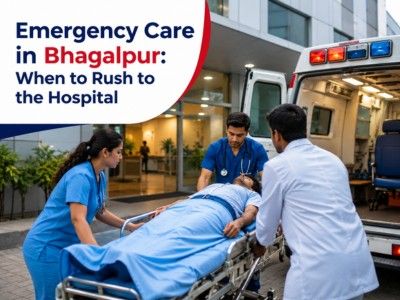
Emergency Care Emergency Care in Bhagalpur: When to Rush to the Hospital 2026 june 16 Share it : Emergency & Critical Care It was past midnight when Sunita Devi’s husband collapsed in their home in Adampur. He was sweating, barely conscious, and clutching his chest. Sunita had no idea whether to call a local doctor, wait till morning, or rush him somewhere immediately. In those terrifying minutes, she didn’t need a brochure. She needed to know exactly where to go — and fast. Her neighbours directed her to the emergency hospital in Bhagalpur that stays open through the night. That decision saved his life. Most of us have been in a version of that fear. And the truth is, knowing before an emergency happens — which hospital to go to, what counts as a true emergency, what to expect when you arrive — can make all the difference. What Is a Medical Emergency and Why 24×7 Emergency Care Matters A medical emergency is any situation where delay in treatment could cause serious harm, permanent damage, or death. That definition sounds clinical, but the reality is deeply human. It’s a father who suddenly can’t speak. A child burning with a fever that won’t break. A young woman who faints and doesn’t wake up immediately. The problem is that emergencies don’t follow schedules. They happen at 2 AM, on a Sunday, during a festival, in the middle of a monsoon. This is why 24×7 emergency care isn’t a luxury — it’s a necessity. A hospital that closes its emergency gates at night is simply not equipped to serve a community the way it should. Good emergency care means more than just open doors. It means trained emergency physicians available round the clock, functional ICU beds, rapid diagnostic equipment, and a team that moves quickly and communicates clearly. When every minute matters, the difference between a well-equipped emergency unit and an under-resourced one is not small. Emergency Care in Bhagalpur — Why It’s a Pressing Local Need Bhagalpur is a growing city with a population spread across dense urban pockets and rural outskirts. Barari, Sabour, Nathnagar, Mirjanhat — these are areas where a serious medical event can mean a long, anxious journey to reach proper care. For people in these localities, finding a reliable emergency hospital near me in Bhagalpur is not just about comfort. It’s about having a fighting chance. Bihar as a state has been steadily improving its healthcare infrastructure, but gaps still exist — especially in after-hours emergency coverage. Many families have experienced the helplessness of reaching a facility only to find it under-equipped to handle their specific crisis. Road accidents on the NH-80 and NH-131, cardiac events among the city’s growing middle-aged population, pregnancy complications, and sudden neurological episodes are among the most common emergencies that bring patients through Bhagalpur’s hospital doors. These are not rare events. They happen every week. Having an emergency hospital that is genuinely prepared — not just nominally open — is something residents of Bhagalpur have needed for a long time. How Medifort Wellness Hospital Is Built for Emergencies Medifort Wellness Hospital wasn’t designed as just another OPD-and-wards facility. From the beginning, its infrastructure was planned with emergency and critical care in mind — and that shows. As the best emergency hospital in Bhagalpur for comprehensive multispeciality response, Medifort operates a 75-bed facility that includes: A fully functional Emergency Department with round-the-clock physician coverage A high-tech ICU staffed by trained intensivists for patients who need close monitoring A Coronary Care Unit (CCU) — the first of its kind in Bhagalpur — specifically designed for cardiac emergencies Modern operation theatres ready for emergency surgical intervention Rapid diagnostic services including ECG, imaging, and blood work available at all hours Specialists across Cardiology, Neurology, General Surgery, Nephrology, and Neonatology — available for emergencies involving multiple systems The CCU deserves special mention. Cardiac emergencies — heart attacks, arrhythmias, sudden heart failure — require an entirely different level of monitoring than a regular ICU. Having this unit in Bhagalpur means patients no longer have to be transported to Patna in a critical state, which in itself is a significant risk. Medifort’s emergency team coordinates across departments. If a road accident victim comes in with both a head injury and internal bleeding, the right specialists are involved from the moment the patient arrives — not after hours of waiting. What Happens When You Arrive at Medifort’s Emergency Walking into an emergency room during a crisis is disorienting. You’re scared, possibly alone, and trying to make decisions under pressure. Knowing what to expect helps. When you bring a patient to Medifort Wellness Hospital’s emergency department, here’s how the process typically unfolds: Immediate Triage: The moment you arrive, the team assesses the patient’s condition to determine the level of urgency. Critical patients are attended to first, without registration delays. Stabilisation: The emergency physician takes charge of stabilising the patient — managing pain, securing the airway if needed, starting fluids or medication, and ordering the right tests simultaneously. Specialist Involvement: For cases involving the heart, brain, kidneys, or surgical needs, the relevant specialist is called in. In genuine emergencies — especially if you’re asking when to visit ER for chest pain — a cardiologist is involved immediately. Family Communication: Someone from the team speaks to the family. You’re kept informed. This matters enormously when you’re frightened and waiting outside. ICU or Ward Admission: If the patient needs monitoring beyond the emergency phase, they’re moved to the ICU, CCU, or an appropriate ward — depending on the condition. The process is designed to move fast. And the staff understands that behind every case number is a family that is terrified and trusting them completely. Warning Signs That Need Emergency Attention — Don’t Wait on These This section matters. Please read it carefully and share it with your family. Go to an emergency hospital immediately if you or someone with you experiences: Chest pain or pressure lasting more than a few minutes, especially with
Best Cardiologist in Bhagalpur for Heart Checkup and Treatment

Cardiologist Best Cardiologist in Bhagalpur for Heart Checkup and Treatment 12 June 2026 Share it : Cardiology Raju Prasad, a 52-year-old schoolteacher from Nathnagar, had been ignoring a dull ache in his chest for weeks. He assumed it was acidity — something a tablet would fix. His wife had been pushing him to see a heart specialist in Bhagalpur, but he kept saying, “It’s nothing serious.” One morning, the pain didn’t go away. It was only then that his family rushed him to a cardiologist. He was diagnosed with a partially blocked artery. Caught just in time. Stories like Raju’s are far more common than we’d like to admit. And if you’ve been searching for the best cardiologist in Bhagalpur, chances are someone you love is going through something similar — or you’ve started noticing signs you can no longer ignore. Heart Problems Are More Common Than You Think — Know the Signs Heart disease doesn’t always announce itself with dramatic symptoms. Sometimes it’s a shortness of breath climbing the stairs. Sometimes it’s an unusual tiredness that won’t lift. Sometimes it’s a skipped beat that leaves you uneasy for a moment. Cardiovascular disease is among the leading causes of death in India, and men and women in their 40s and 50s are increasingly affected — including right here in Bhagalpur. A heart specialist, also called a cardiologist, is a doctor who specialises in diagnosing and treating conditions related to your heart and blood vessels. Common conditions they manage include: High blood pressure (hypertension) Coronary artery disease Heart failure Irregular heartbeat (arrhythmia) Valve disorders Cholesterol-related heart risks If you or someone in your family has been experiencing any of these concerns, getting a cardiac consultation sooner rather than later can make a real difference. Why Bhagalpur Residents Need Access to Quality Cardiac Care Locally For years, people from Bhagalpur and surrounding districts — Banka, Kahalgaon, Sultanganj — had to travel to Patna or even Delhi for advanced heart treatment. That journey alone can be exhausting and financially draining, especially during a medical emergency. The reality is that cardiac events don’t wait for the right time or the right city. When a heart attack strikes, every minute matters. Having access to a skilled heart doctor in Bhagalpur Bihar is not just a matter of convenience — it’s a matter of survival. This is exactly why many families in the region are now asking the same question: where can I find a trusted cardiac consultation near me in Bhagalpur? The answer, increasingly, is closer than they expected. Bhagalpur’s population has grown, and with it, lifestyle-related health risks — sedentary work, irregular eating habits, stress, and rising rates of diabetes and hypertension. These are all direct contributors to heart disease. The need for quality cardiology services in this region has never been greater. What Medifort Wellness Hospital Offers for Heart Care Medifort Wellness Hospital has established itself as the top cardiology hospital in Bhagalpur — not through marketing claims, but through the patients it has served and the lives it has helped protect. Located in Narayana Colony, Tilkamanjhi Chowk, Medifort is a fully operational 75-bed multispeciality hospital with a dedicated cardiology department. The Centre of Excellence in Cardiology here is led by experienced cardiac specialists who bring both the technical skill and the human approach that heart patients need. Here’s what sets Medifort apart in cardiac care: Advanced diagnostic equipment for ECG, Echo and Treadmill Tests (TMT) Modern operation theatres equipped for cardiac procedures High-tech ICU and CCU (Coronary Care Unit) for critical care post-procedure Minimally invasive techniques wherever clinically appropriate — reducing recovery time and hospital stays Experienced cardiac surgeons and interventional cardiologists working as a coordinated team The hospital also has strong support departments — nephrology, neurology, and general medicine — which matters in cardiac care, because heart conditions often affect (and are affected by) kidney function, blood sugar levels, and overall systemic health. At Medifort, you’re not just getting a cardiologist. You’re getting a team. What to Expect When You Visit Medifort for a Heart Checkup Many people put off seeing a heart doctor simply because they’re not sure what the process involves. It can feel intimidating. But at Medifort Wellness Hospital, the experience is designed to be clear, calm, and reassuring from the moment you walk in. Here’s a simple picture of what a first cardiac visit typically looks like: Step 1 — OPD Consultation: You meet the cardiologist, share your symptoms, medical history, and any previous reports. The doctor takes time to listen — this isn’t a rushed 5-minute appointment. Step 2 — Initial Diagnostic Tests: Based on your symptoms, the doctor may recommend basic tests like an ECG or blood work to get a clearer picture of your heart’s current condition. Step 3 — Detailed Evaluation (if needed): For more complex cases, a 2D Echo or stress test may be scheduled. These are non-invasive, comfortable, and give the cardiologist precise information. Step 4 — Treatment Plan: Once the evaluation is complete, your cardiologist explains your results in plain language and outlines a treatment plan — which may involve medication, lifestyle changes, or if necessary, a procedure. Throughout every step, the staff at Medifort is trained to keep patients and their families informed and comfortable. If you’ve been wondering about cardiac consultation near me in Bhagalpur, this is the kind of experience you can expect. When Should You See a Cardiologist? Warning Signs to Take Seriously This section is important. Please don’t skip it. Some symptoms feel minor but may be your heart signalling that something needs attention. If you or a family member experiences any of the following, please see a qualified heart specialist without delay: Chest pain, pressure, or tightness — especially if it spreads to the arm, jaw, or back Shortness of breath during light activity or even at rest Palpitations or irregular heartbeat — a fluttering, racing, or pounding sensation Unexplained fatigue that doesn’t improve with rest Dizziness or fainting episodes Swelling in the
How kidney disease can impact your body

Kidney Disease How kidney disease can impact your body 04 March 2026 Our bodies are intricate systems where every part plays a crucial role. Among the unsung heroes are our kidneys, diligently working behind the scenes to maintain balance. However, when kidney disease strikes, it’s like an insidious intruder compromising the harmony of our bodily functions. In this blog post, we’ll explore the ways kidney disease can affect your body and the importance of timely intervention, highlighting the comprehensive care available at our Medifort Wellness Hospital. The Kidney’s Vital Role: Before looking at the effects of kidney disease, let’s understand the vital role our kidneys play. These bean-shaped organs filter waste and excess fluids from the blood, regulate electrolyte balance, and produce hormones that control blood pressure and red blood cell production. When kidney disease enters the picture, this intricate balance is disrupted, setting off a cascade of effects throughout the body. These include: Cardiovascular Complications: Kidneys and the cardiovascular system share a close relationship. Kidney disease can lead to an imbalance of electrolytes, such as potassium and sodium, contributing to high blood pressure. Moreover, impaired kidney function can result in the retention of fluids, leading to swelling and strain on the heart. As a consequence, individuals with kidney disease face an elevated risk of cardiovascular complications, including heart attacks and strokes. Anaemia and Fatigue: Healthy kidneys produce erythropoietin, a hormone that stimulates the production of red blood cells. In kidney disease, reduced erythropoietin production can lead to anaemia, characterized by a decrease in red blood cells. Anaemia causes fatigue, weakness, and a decreased ability to carry oxygen to vital organs, impacting overall energy levels and quality of life. Bone Health Challenges: Kidneys play a pivotal role in maintaining the balance of minerals like calcium and phosphorus in the body. When kidney function is compromised, imbalances in these minerals can occur, leading to weakened bones and an increased risk of fractures. Conditions like chronic kidney disease-mineral and bone disorder (CKD-MBD) can have long-term consequences on bone health. Fluid and Electrolyte Imbalance: Healthy kidneys help regulate the balance of fluids and electrolytes in the body. Kidney disease disrupts this delicate equilibrium, leading to fluid retention, swelling (oedema), and electrolyte imbalances. These imbalances can result in symptoms ranging from muscle cramps to irregular heartbeats, underlining the widespread impact of kidney dysfunction. Compromised Immune Function: The kidneys also play a role in supporting the immune system. In kidney disease, the body’s ability to fight infections may be compromised, making individuals more susceptible to illnesses. Managing kidney health is thus crucial not only for renal function but also for overall immune resilience. Kidney Care at Medifort Wellness Hospital Kidney disease is a silent adversary that can affect various aspects of your health. The key lies in understanding the intricate ways our kidneys contribute to overall well-being and recognizing the signs of kidney dysfunction. Detecting kidney disease in its early stages is crucial for effective management and prevention of complications. Here are several signs and symptoms that may indicate the presence of kidney disease: Changes in Urination or difficulty urinating Foamy, bubbly, dark coloured urine Swelling in the legs, ankles, or around the eyes Puffiness in the face due to fluid retention Persistent fatigue and weakness Difficulty concentrating or feeling mentally sluggish Difficulty breathing, especially during physical activity Hypertension (high blood pressure), which may be new or difficult to control Pain in the middle to upper back, just below the ribcage Loss of appetite Metallic Taste Dry and itchy skin Nausea and vomiting, especially in the morning Trouble sleeping or insomnia It’s important to note that early kidney disease may not always present with noticeable symptoms. Regular check-ups and screenings are essential, especially for individuals with risk factors such as diabetes, high blood pressure, a family history of kidney disease, or advancing age. Share it : Latest Post Signs of Kidney Failure You Should Never Ignore 24 Jun 2026 Best Maternity Hospital in Bhagalpur for Safe Delivery and Newborn Care 20 Jun 2026 Emergency Care in Bhagalpur: When to Rush to the Hospital 16 Jun 2026 Best Cardiologist in Bhagalpur for Heart Checkup and Treatment 12 Jun 2026
Heart Health in Summer: Tips to Keep Your Heart Safe from Heatwaves

Heart Care Heart Health in Summer: Tips to Keep Your Heart Safe from Heatwaves 11 March 2025 Summer brings longer days, outdoor activities, and plenty of sunshine. But while warm weather is enjoyable, extreme heat can pose serious risks, especially for your heart. High temperatures, humidity, and dehydration can strain your cardiovascular system, increasing the risk of heart attacks, strokes, and other complications. At Medifort Wellness Hospital, we prioritize your heart health and want to ensure you stay safe during the sweltering summer months. How Does Heat Affect the Heart? Your heart works harder in hot weather to keep your body cool. When temperatures rise, your body responds by increasing blood flow to the skin and prompting sweat production to regulate temperature. This puts extra strain on the heart, especially for people with heart disease, high blood pressure, or a history of strokes. Moreover, excessive sweating leads to dehydration, reducing blood volume and making it harder for the heart to circulate blood efficiently. This can cause dizziness, fatigue, irregular heartbeats, and, in severe cases, heatstroke. Who is at Risk? While everyone should take precautions, some individuals are more vulnerable to heat-related heart problems: People with Heart Conditions Those with hypertension, heart failure, or previous heart attacks are at higher risk. Elderly Individuals With age the heart’s ability to adapt to extreme temperatures weakens Diabetics Diabetes can affect circulation and hydration levels, making it harder to cope with heat. People Taking Certain Medications Some heart and blood pressure medications can reduce the body’s ability to sweat and regulate temperature. Tips to Stay Cool and Protect Your Heart This Summer Taking proactive steps can help protect your heart from the harsh summer heat. Follow these expert-recommended tips: Stay Hydrated Drinking enough water is crucial in hot weather. Aim for at least 8-10 glasses of water daily, and increase intake if you’re sweating. Avoid sugary drinks, alcohol, and excessive caffeine, as they can lead to dehydration. Limit Outdoor Activities Try to avoid strenuous activities like running or exercising outdoors during peak heat hours (10 AM – 4 PM). If you must exercise, opt for early mornings or late evenings when temperatures are cooler. Dress Light and Loose Wear light-coloured, loose-fitting clothing made from breathable fabrics like cotton to help your body cool down naturally. A wide-brimmed hat and sunglasses can also offer additional protection from the sun. Seek Shade and Air-Conditioned Spaces Stay indoors during extreme heatwaves, preferably in air-conditioned or well-ventilated areas. If you need to go out, choose shopping malls and places with air-conditioning to stay cool. Watch for Warning Signs Symptoms like dizziness, nausea, excessive sweating, chest pain, or a rapid heartbeat may indicate heat-related heart stress. If you experience these, immediately move to a cooler place, hydrate, and rest. Seek medical help if symptoms persist. Eat Light and Healthy Heavy meals can make your body generate more heat during digestion. Opt for lighter meals with fruits, vegetables, and lean proteins to maintain energy without burdening your heart. Monitor Your Heart Condition If you have a pre-existing heart condition, keep track of your heart rate and blood pressure during hot days. Follow your doctor’s advice and never skip prescribed medications. Use Cooling Strategies Take cool showers, apply cold compresses to pulse points (wrists, neck, ankles), and use fans to help regulate body temperature. When to Seek Medical Help If you or a loved one experience symptoms like chest pain, shortness of breath, fainting, or confusion, seek medical assistance immediately. These could be signs of a heat-related cardiac emergency. The summer heat can put stress on your heart, but with proper precautions, you can stay safe and enjoy the season. By staying hydrated, avoiding excessive heat exposure, eating light, and monitoring your heart health, you can reduce the risk of heat-related complications. If you have concerns about your heart health, consult our specialists at Medifort Wellness Hospital for expert guidance and care. Stay cool, stay heart-healthy, and have a safe summer! Share it : Latest Post How kidney disease can impact your body 26 Feb 2026 Heart Health in Summer: Tips to Keep Your Heart Safe from Heatwaves 23 Feb 2026 Best Child Hospital in Bhagalpur for Newborn & Pediatric Care 06 Jan 2026 Blue Baby Syndrome: What Every Parent Needs to Know About This Life-Threatening Condition 24 Nov 2025
Best Child Hospital in Bhagalpur for Newborn & Pediatric Care

Pediatrics Best Child Hospital in Bhagalpur for Newborn & Pediatric Care 6 January 2026 Every parent wants the best possible healthcare for their child, especially during those critical early years when proper medical attention can make all the difference. Finding the best child hospital in Bhagalpur that combines medical expertise, compassionate care, and modern facilities is essential for families across Bihar. Whether you’re seeking routine pediatric checkups, newborn care, or specialized treatment for childhood illnesses, access to quality child healthcare services ensures your little one receives the right care at the right time. Medifort Wellness Hospital understands the unique healthcare needs of children and provides comprehensive pediatric services that parents in Bhagalpur and surrounding areas can trust. Understanding Pediatric Healthcare Needs Children are not simply small adults—their bodies are constantly growing and developing, requiring specialized medical care tailored to their unique physiological needs. Pediatric healthcare encompasses everything from preventive care and vaccinations to diagnosis and treatment of childhood diseases, developmental assessments, and nutritional guidance. When Should You Seek Pediatric Care? Parents should consult a pediatrician when their child experiences: Persistent high fever (above 100.4°F in newborns, 102°F in older children) Difficulty breathing or persistent cough Unusual rashes or skin changes Feeding difficulties or excessive vomiting Developmental delays or behavioral concerns Unexplained weight loss or failure to thrive Recurring infections or prolonged illness Early intervention is crucial for many childhood conditions. Regular well-child visits help monitor growth, development, and ensure timely vaccinations that protect against serious diseases. Comprehensive Pediatric Services Newborn Care The first 28 days of life are critical for a baby’s health. Quality newborn care includes immediate post-delivery assessment, screening for congenital conditions, jaundice management, feeding support, and guidance for new parents. Specialized neonatal care is essential for premature babies or those with birth complications. Childhood Illness Management Common childhood illnesses such as respiratory infections, gastrointestinal problems, ear infections, and viral fevers require prompt diagnosis and appropriate treatment. An experienced pediatrician can differentiate between routine illnesses and conditions requiring more intensive intervention. Vaccination & Preventive Care Immunization is one of the most effective ways to protect children from preventable diseases. Following the recommended vaccination schedule as per Indian Academy of Pediatrics guidelines helps build immunity against serious infections like measles, polio, tuberculosis, and diphtheria. Growth & Developmental Monitoring Regular assessment of physical growth, cognitive development, and social-emotional milestones helps identify potential concerns early. Nutritional counseling ensures children receive adequate nutrients for healthy development. Emergency Pediatric Care Medical emergencies can occur without warning. Access to 24/7 emergency pediatric services with trained specialists can be lifesaving during critical situations such as severe breathing difficulties, high fever with seizures, dehydration, or accidental injuries. Why Bhagalpur Families Need Specialized Child Healthcare Bhagalpur and the surrounding regions of Bihar have specific healthcare challenges, including limited access to specialized pediatric facilities, particularly for families from nearby areas like Sultanganj, Kahalgaon, Naugacchia, and Amarpur. Many families previously had to travel to larger cities for quality child healthcare, causing delays in treatment and additional stress during medical emergencies. Having a dedicated child hospital in Bhagalpur means local families can access expert pediatric care without extensive travel, ensuring timely intervention and continuity of care. This is particularly important for children with chronic conditions requiring regular follow-ups or those needing emergency services. Medifort Wellness Hospital’s Pediatric Care Approach Medifort Wellness Hospital has established itself as a trusted healthcare provider in Bhagalpur, offering comprehensive pediatric and newborn care services designed around the needs of children and the concerns of parents. Expert Pediatric Team Our pediatric department is staffed by qualified pediatricians with extensive experience in managing a wide range of childhood conditions. The medical team stays updated with the latest clinical guidelines and best practices in pediatric medicine. Child-Friendly Infrastructure We understand that hospital visits can be stressful for children. Our pediatric ward is designed to create a comforting, child-friendly environment that reduces anxiety and promotes healing. Clean, well-maintained facilities ensure infection control and patient safety. Comprehensive Diagnostic Services Accurate diagnosis is the foundation of effective treatment. Our in-house laboratory and imaging facilities enable quick diagnostic testing, helping our pediatricians make informed treatment decisions without unnecessary delays. 24/7 Emergency Services Pediatric emergencies don’t follow office hours. Our round-the-clock emergency department is equipped to handle urgent pediatric cases, with trained medical staff available at all times. Patient-Centered Care Philosophy At Medifort Wellness Hospital, we believe in treating not just the illness but caring for the whole child. Our approach includes clear communication with parents, involving them in treatment decisions, and providing guidance for home care and prevention of future illnesses. Conclusion Choosing the best child hospital in Bhagalpur means selecting a healthcare partner that prioritizes your child’s wellbeing through expert medical care, compassionate treatment, and modern facilities. While no hospital can guarantee outcomes, quality pediatric care significantly improves health prospects and gives parents peace of mind during challenging times. If your child needs medical attention—whether for routine checkups, vaccinations, or urgent health concerns—don’t hesitate to consult with qualified pediatricians. Early intervention and proper medical care are essential for your child’s healthy growth and development. For pediatric consultation or emergency services, contact Medifort Wellness Hospital in Bhagalpur. Your child’s health deserves expert, compassionate care. Share it : Latest Post How kidney disease can impact your body 26 Feb 2026 Heart Health in Summer: Tips to Keep Your Heart Safe from Heatwaves 23 Feb 2026 Best Child Hospital in Bhagalpur for Newborn & Pediatric Care 06 Jan 2026 Blue Baby Syndrome: What Every Parent Needs to Know About This Life-Threatening Condition 24 Nov 2025
Blue Baby Syndrome: What Every Parent Needs to Know About This Life-Threatening Condition

Pediatrics Blue Baby Syndrome: What Every Parent Needs to Know About This Life-Threatening Condition 24 November 2025 When your newborn’s lips turn blue, panic sets in. Every parent’s worst nightmare is seeing their baby struggle for breath, their tiny face taking on an unnatural bluish tint. In Bihar, particularly in regions like Bhagalpur where groundwater contamination is an emerging concern, understanding Blue Baby Syndrome could save your child’s life. This comprehensive guide will walk you through everything you need to know about Blue Baby Syndrome—from recognizing the first warning signs to understanding why this condition is particularly relevant for families in Bihar. What Is Blue Baby Syndrome? Blue Baby Syndrome, medically known as infant methemoglobinemia or cyanosis, is a serious condition where a baby’s skin, lips, hands, and feet turn blue or purple due to insufficient oxygen in the blood. The bluish discoloration occurs because the blood cannot effectively carry or release oxygen to the body’s tissues. Think of your blood as a delivery truck carrying oxygen to every part of your baby’s body. In Blue Baby Syndrome, these trucks are either broken or taking wrong routes, leaving vital organs starved of oxygen. Without prompt treatment, this oxygen deprivation can cause brain damage, developmental delays, or even death. Two Main Causes: Why Do Babies Turn Blue? Blue Baby Syndrome has two primary causes, and understanding the difference is crucial for proper treatment: Congenital Heart Defects (Cyanotic Heart Disease) Some babies are born with structural abnormalities in their heart that prevent proper blood oxygenation. The most common defect is Tetralogy of Fallot, which involves four heart abnormalities that together reduce blood flow to the lungs. Other heart defects include: Transposition of the great arteries Tricuspid atresia Truncus arteriosus Total anomalous pulmonary venous return These conditions cause oxygen-poor blood to bypass the lungs and circulate directly through the body, resulting in the characteristic blue appearance. Methemoglobinemia (Nitrate Poisoning) – A Growing Risk in Bihar This is where the Bihar connection becomes critical. Methemoglobinemia occurs when babies consume water or foods contaminated with nitrates—a problem increasingly documented in groundwater across Bihar and other parts of the Indo-Gangetic Plain. Here’s what happens: When nitrates enter your baby’s digestive system, bacteria convert them to nitrites. These nitrites oxidize the iron in hemoglobin (the oxygen-carrying protein in blood), transforming it into methemoglobin. Unlike normal hemoglobin, methemoglobin cannot release oxygen to tissues effectively. Infants under 6 months are especially vulnerable because: Their digestive systems have different bacteria that more readily convert nitrates to nitrites They have lower levels of the enzyme that converts methemoglobin back to normal hemoglobin They have higher levels of fetalhemoglobin, which converts more easily to methemoglobin They consume more water per body weight than adults The Bihar-Specific Risk: Nitrate Contamination in Groundwater Recent studies have revealed concerning levels of groundwater contamination across Bihar. According to the Central Ground Water Board’s 2024 report, Bihar has documented nitrate contamination in several districts, particularly in areas along the Ganga floodplains and intensive agricultural zones. Why Is Bihar’s Groundwater at Risk? Several factors contribute to nitrate contamination in Bihar’s groundwater: Intensive Agriculture: The widespread use of nitrogen-based fertilizers in Bihar’s agricultural belt means excess nitrates can seep into groundwater, especially during monsoon seasons when heavy rainfall pushes these chemicals deeper into the soil. Poor Sanitation Infrastructure: In many rural and semi-urban areas of Bihar, including parts of Bhagalpur district, open drains, pit latrines, and septic tank leakage contaminate nearby groundwater sources. High Population Density: With Bihar being one of India’s most densely populated states, domestic wastewater and sewage add to the nitrate load in groundwater. Livestock Waste: Improper management of animal waste from dairy farming releases nitrates into soil and water sources. For families in Bhagalpur who rely on hand pumps, tube wells, or bore wells for drinking water, this contamination poses a direct risk to infant health—especially when this water is used to prepare infant formula or given directly to young children. Symptoms: When Should You Rush to the Hospital? Early recognition of Blue Baby Syndrome can be lifesaving. Watch for these warning signs: Primary Symptom: Blue or purple discoloration around the lips, mouth, hands, feet, or nail beds Other Symptoms May Include: Difficulty breathing or rapid breathing Irritability and excessive crying Vomiting or diarrhea (especially in nitrate poisoning cases) Lethargy or decreased activity Poor feeding Seizures (in severe cases) Loss of consciousness Critical Point: If you notice ANY blue discoloration in your baby’s skin, especially around the mouth, do not wait. This is a medical emergency. Bring your child to Medifort Wellness Hospital or the nearest emergency facility immediately. How Is Blue Baby Syndrome Diagnosed? When you bring your baby to Medifort Wellness Hospital with suspected Blue Baby Syndrome, our pediatric team will conduct: Physical Examination: Checking for the characteristic bluish skin tone and assessing breathing patterns, heart sounds, and oxygen levels using a pulse oximeter. Blood Tests: Methemoglobin level testing (levels above 1.5 g/dL indicate methemoglobinemia) Arterial blood gas analysis to measure oxygen saturation Complete blood count Heart Evaluation: Echocardiogram (ultrasound of the heart) to detect structural abnormalities Chest X-ray ECG (electrocardiogram) Water Testing: If nitrate poisoning is suspected, we may recommend testing your home water supply for nitrate levels. Safe levels should be below 45 mg/L according to WHO and Bureau of Indian Standards guidelines. Treatment Options: How Is Blue Baby Syndrome Treated? Treatment depends entirely on the underlying cause: For Congenital Heart Defects: Immediate Stabilization: Supplemental oxygen and medications to improve heart function and blood circulation. Surgical Correction: Most cyanotic heart defects require surgical intervention. The timing and type of surgery depend on the specific defect and the baby’s overall condition. Our pediatric cardiology team can provide detailed consultation and referrals to specialized cardiac centers when needed. For Methemoglobinemia (Nitrate Poisoning): Stop the Source: Immediately discontinue any contaminated water or food. Switch to bottled water or water from a verified safe source. Methylene Blue Injection: For moderate to severe cases, doctors administer methylene blue intravenously. This medication rapidly converts methemoglobin back to normal hemoglobin, restoring the blood’s oxygen-carrying capacity. Improvement is often visible
Summer Health Guide for Kids: Preventing Dehydration, Heatstroke & Common Illnesses

Pediatrics Summer Health Guide for Kids: Preventing Dehydration, Heatstroke & Common Illnesses 11 March 2025 Summer is a time for fun, adventure, and outdoor activities, but the soaring temperatures can pose health risks for children. From dehydration to heatstroke and common summer illnesses, it is essential to take precautions to keep kids safe and healthy. At Medifort Wellness Hospital, we care about your child’s well-being and have put together this summer health guide to help parents prevent seasonal health issues. Understanding Summer Health Risks Children are more vulnerable to heat-related illnesses because their bodies heat up faster than adults. They may not always recognize signs of dehydration or overheating, making it crucial for parents to stay vigilant. Some of the most common summer health concerns include: DehydrationLoss of fluids due to excessive sweating can cause fatigue, dizziness, and irritability HeatstrokeA severe condition where the body overheats, leading to confusion, rapid heartbeat, and, in extreme cases, unconsciousness Foodborne IllnessesHigh temperatures can lead to food spoilage, increasing the risk of stomach infections Skin Infections & RashesFungal infections and prickly heat rashes are common in summer due to excessive sweating Insect Bites & AllergiesInsects thrive in warm weather, leading to bites, allergies, and possible infections Essential Tips to Keep Kids Safe in Summer Here are a few simple tips to help you keep you little ones safe, healthy and happy this summer: Keep Them Hydrated Encourage kids to drink water frequently, even if they don’t feel thirsty. Give them fresh fruit juices, coconut water, and hydrating foods like watermelon and cucumber.Avoid sugary drinks and sodas, as they can cause dehydration. Protect Them from Heatstroke Ensure kids wear light-coloured, loose-fitting clothing made of breathable fabric like cotton. Limit outdoor activities during peak heat hours (10 AM – 4 PM).Keep them in cool, shaded, or air-conditioned areas whenever possible. Follow a Nutritious Summer Diet Provide freshly prepared, home-cooked meals to prevent foodborne illnesses.Include seasonal fruits and vegetables rich in vitamins and minerals.Avoid oily, fried, and processed foods that can lead to digestive issues. Ensure Proper Sun Protection Apply sunscreen (SPF 30 or higher) on exposed skin to prevent sunburn.Use hats, sunglasses, and umbrellas when going out in the sun.Seek shade whenever possible to avoid direct exposure to UV rays. Maintain Hygiene and Prevent Infections Encourage kids to wash hands frequently, especially before meals and after outdoor play.Keep their skin dry and change damp clothes promptly to avoid fungal infections.Use talcum powder or anti-fungal powders to prevent prickly heat rashes. Prevent Insect Bites & Allergies Use child-safe mosquito repellents or nets while sleeping.Dress kids in full-sleeved clothing in areas prone to mosquito breeding.Avoid stagnant water around the house to prevent mosquito breeding. Be Cautious About Water Activities Supervise kids while playing in water and ensure that the water in clean.Encourage proper hydration before and after swimming to avoid cramps.Make sure they shower immediately after swimming to prevent skin infections. Recognizing Warning Signs of Heat-Related Illnesses Be on the lookout for the following symptoms in children:DehydrationDry mouth, dark-coloured urine, extreme thirst, and lethargy Heat ExhaustionExcessive sweating, dizziness, muscle cramps, and nausea HeatstrokeHigh fever, confusion, rapid breathing, and unconsciousnessIf your child experiences any severe symptoms, seek medical help immediately. MedifortWellness Hospital’s pediatric experts are available to provide prompt and effective care. With proper precautions, summer can be a safe and enjoyable time for kids. Ensuring adequate hydration, a balanced diet, sun protection, and good hygiene can go a long way in preventing heat-related illnesses. As a parent, staying vigilant and recognizing early signs of health issues will help keep your child healthy and active throughout the season. For any concerns or medical emergencies, visit Medifort Wellness Hospital for expert pediatric care. Let’s make this summer a happy and healthy one for our little ones! Share it : Latest Post How kidney disease can impact your body 26 Feb 2026 Heart Health in Summer: Tips to Keep Your Heart Safe from Heatwaves 23 Feb 2026 Blue Baby Syndrome: What Every Parent Needs to Know About This Life-Threatening Condition 24 Nov 2025 Blue Baby Syndrome: What Every Parent Needs to Know About This Life-Threatening Condition 24 Nov 2025