- contact@medifortwellness.com
- Health Packages
- Career
- Insurance
Stroke: Strategies for Prevention and Care
- 02 November 2023
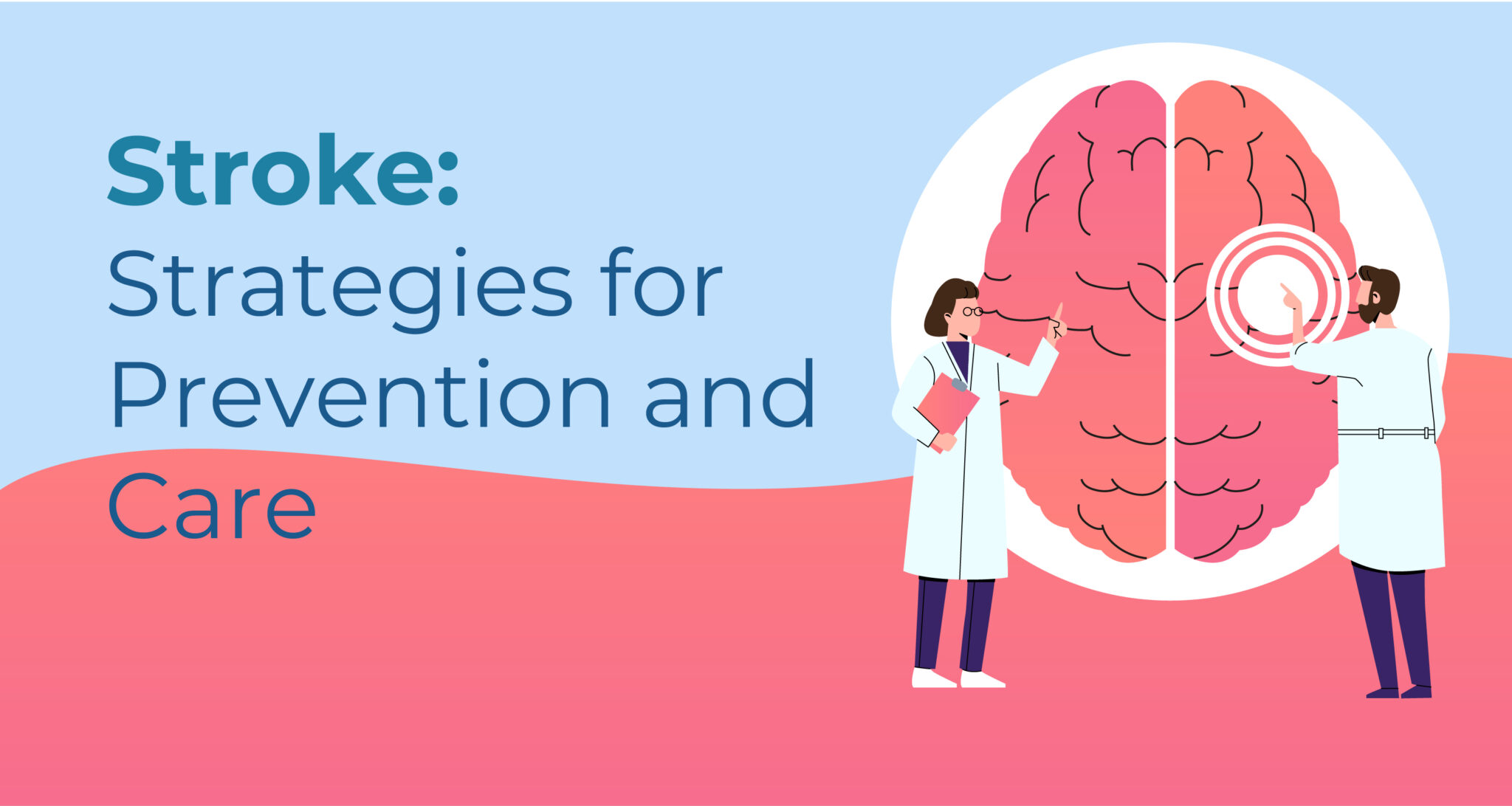
Stroke is a medical emergency that affects millions of people worldwide, causing devastating consequences for patients and their families. However, the good news is that many strokes are preventable, and timely intervention can significantly improve outcomes. In this blog, we’ll explore the burden of stroke and discuss strategies for both prevention and effective care to reduce its impact.
Understanding Stroke
Stroke is often referred to as a “brain attack.” It occurs when there is a sudden interruption in the blood supply to the brain, leading to the death of brain cells. There are two main types of strokes:
Ischemic Stroke:
This is the most common type, accounting for about 87% of all strokes. It occurs when a blood clot blocks an artery that supplies blood to the brain.
Haemorrhagic Stroke:
This type of stroke occurs when a blood vessel in the brain ruptures and causes bleeding into the brain.
The Impact of Stroke
The consequences of a stroke can be severe and life-altering. Depending on the location and extent of brain damage, stroke survivors may experience a range of physical, cognitive, and emotional challenges. These may include paralysis, difficulty speaking, memory problems, and depression. The impact of stroke is not only felt by patients but also by their caregivers.
Reducing the Burden of Stroke
Prevention and timely intervention are the keys to reducing the burden of stroke. Here are some strategies to consider:
Know the Risk Factors:
Lifestyle Modifications:
Adopting a healthy lifestyle to reduce the risk of stroke. This includes maintaining a balanced diet, engaging in regular physical activity, limiting alcohol consumption, and quitting smoking. These changes can help control blood pressure, cholesterol levels, and weight.
Regular Check-ups:
Regular medical check-ups are essential for monitoring and managing risk factors. If you have conditions like high blood pressure, diabetes, or heart disease, proper management is crucial to prevent stroke. Medications, when prescribed, should be taken as directed.
Awareness and Education:
Public awareness campaigns and educational programs can help individuals and communities better understand the signs and symptoms of stroke. Knowledge of the acronym FAST (Face drooping, Arm weakness, Speech difficulty, Time to seek emergency help) can be crucial in recognizing a stroke and seeking immediate medical attention.
Emergency Response:
Stroke is an emergency. Rapid response is critical to minimizing brain damage. Call an ambulance or rush to a hospital immediately if you suspect someone is having a stroke. The quicker a stroke victim receives appropriate care, such as clot-dissolving medications or other interventions, the better the chances of recovery.